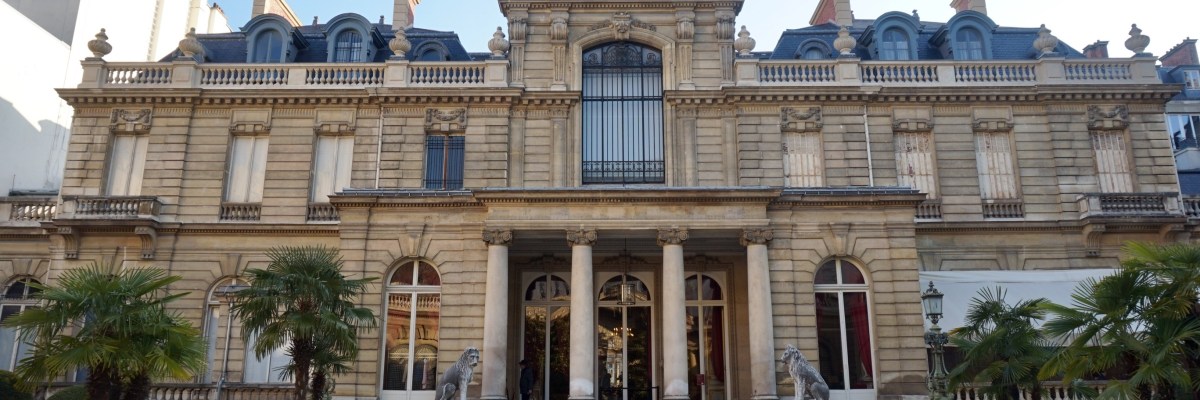
Third year in a row I have been coming to Paris in the winter, and it was a cold one this year – with some snow. Musée Jacquemart-André is set in a 19th century mansion – relatively reasonable in size but offers a lot with its magnificent art and decorative objects. The impressive collection include pieces from Tiepolo, Bellini, Botticelli, David, to Rembrandt and Frans Hals. Musée Rodin is one of my favourites in Paris – I call it my “happy place”! I would be well content to be…
Category: Travel
Loire Valley
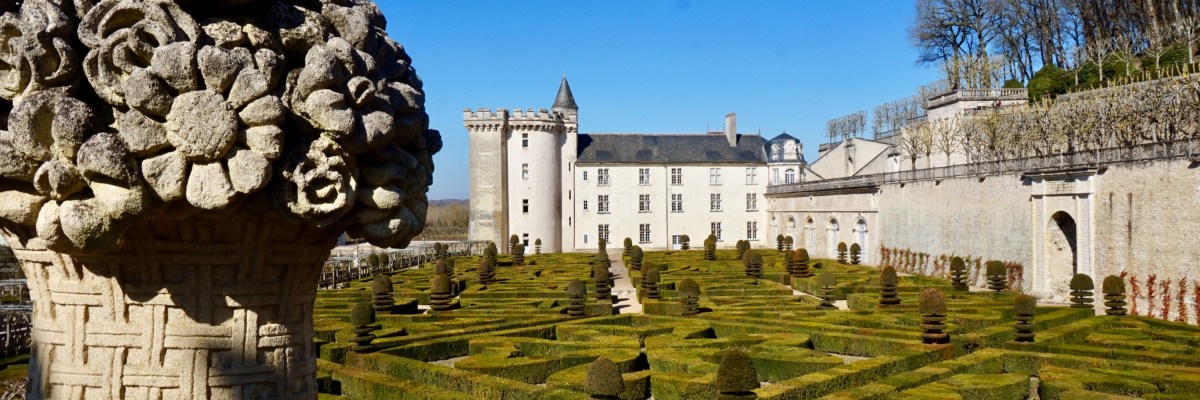
Studed with fairytale châteaux and storybook villages, Loire Valley is known as the “Garden of France” and needless to say, its various vineyards. The area has become a showplace of the pleasure castles that take on different architectural styles. The Chateau of Villandry is the last of the great châteaux of the Loire built during the Renaissance of the Loire Valley. The elegance of its architecture combined with its expansive gardens make this one of the jewels of the world heritage. Chateau D’Usse is known as the inspiration for Charles Perrault for his tale of Sleeping Beauty. This…
Fontevraud Royal Abbey
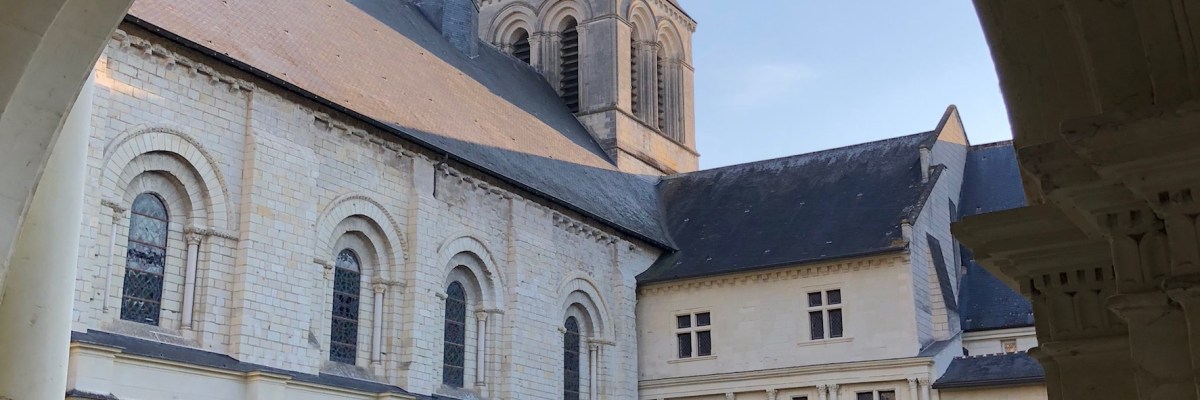
The main reason for my trip to France this year : to visit the Royal Abbey of Our Lady of Fontevraud in the Loire Valley. Formerly a monastery in the village of Fontevraud-l’Abbaye, near Chinon, it was founded in 1101 and became the center of a monastic Order. It is one of the largest surviving monastic cities from the Middle Ages, until 1792 when the last abbess was evicted following the French Revolution. A UNESCO World Heritage Site, the complex of monastic buildings was transformed into a high security prison by order of Napoleon Bonaparte housing up to 2,000 prisioners…
Manueline Style
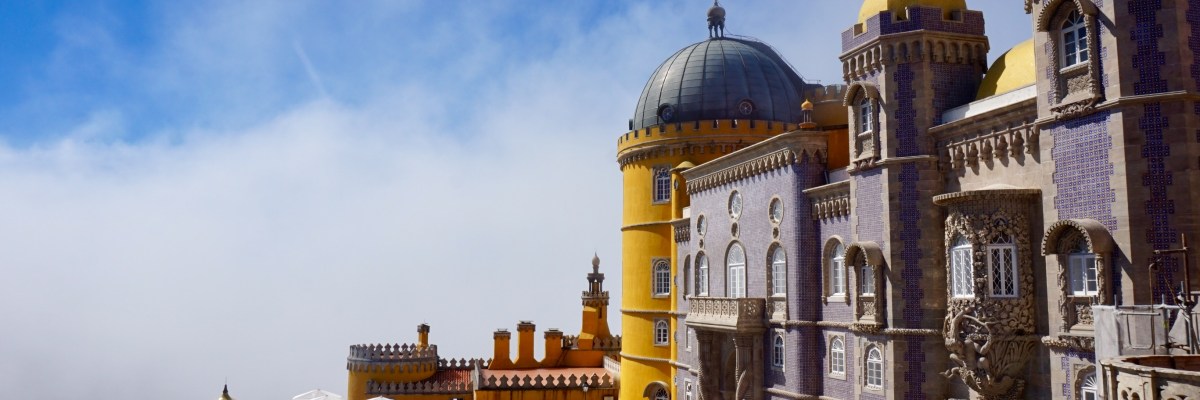
Manueline architectural style combines Moorish, Renaissance and Gothic elements. The style developed during the reign of Manuel I of Portugal. This coincided with the Age of Discovery and the peak of Portuguese maritime power. The Moisteiro dos Jerónimos and the Torre de Belém in Lisbon, and the Quinta da Regaleira in Sintra are three exceptional examples of this style. The Manueline style was considered the most authentic Portuguese architectural style.
Lisbon
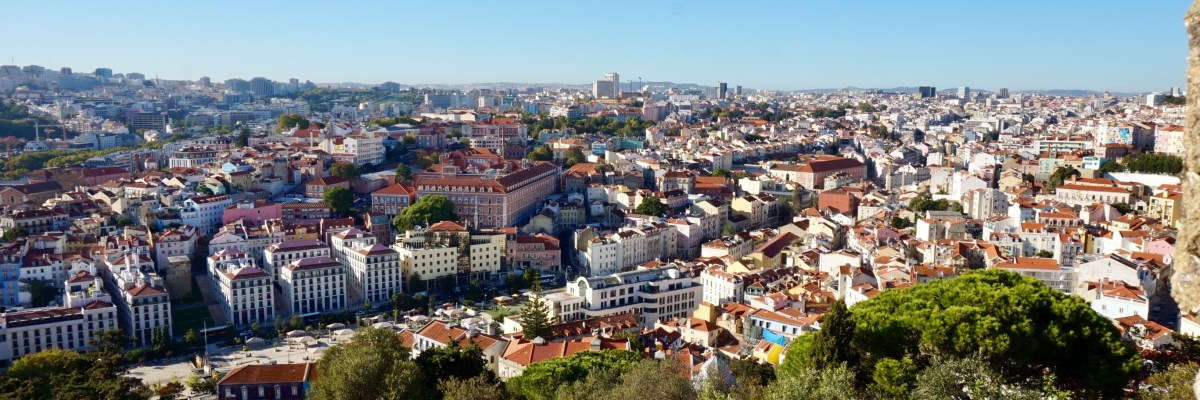
One of Europe’s most visually striking capitals, Lisbon‘s appeal is more than the friendliness of the locals and her laid back pace. In its golden age, Lisbon was one of the greatest maritime centres in history – with hoards of treasures from around the world. Today, continental Europe’s westernmost capital is a cosmopolitan city that continues to grow and evolve.
Sintra
Sintra was famously referred to as a “glorious Eden” by Lord Byron. One of the oldest hillside town in Portugal, Sintra is a forty-five minute train ride and 29 kilometres northwest from Lisbon. With its mountains, forests, exotic gardens and palaces, Sintra is like a fairy tale land. Sintra-Vila, with its pastel-hued manors in hills that roll to the Atlantic, is a UNESCO World Heritage site.
Porto
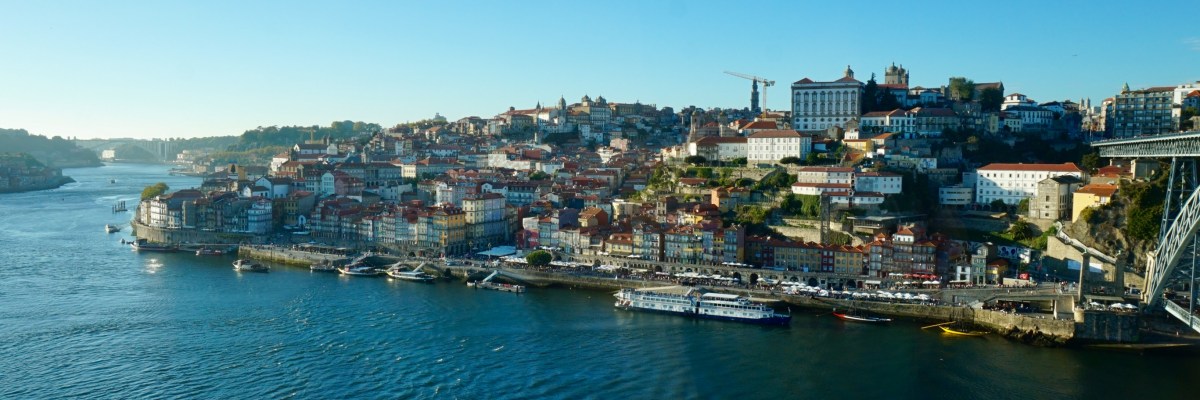
My first time to this side of the Iberian Peninsula – and first stop is Portugal’s second city, Porto. Porto is an energetic city that has managed to keep its timeless charm, with its steep hills and cobbled streets. The city has taken off as a centre of the arts, fashion and nightlife — after all, Port wine is named after this city. And the locals are known across the country as “tripeiros”, or “tripe eaters”, a nickname from the city’s signature dish tripas à moda do Porto.
Spis og sov
Danish for “Eat and Sleep“. Copenhagen has a food scene that is among the world’s most distinct and innovative. And true to its reputation – the city has several Michelin-starred restaurants and be forewarned, even those that are considered “good value” gets a little expensive. Many of Copenhagen’s restaurants go for an organic menu. One that I tried out is BOB – Biomio Organic Bistro. Situated in Vesterbro (Meatpacking District), the food is delicious. For dinner, I tried out one of the 10 restaurants in the city that were awarded a Michelin Bib Gourmand for 2017. Marv &…
Hej Hej
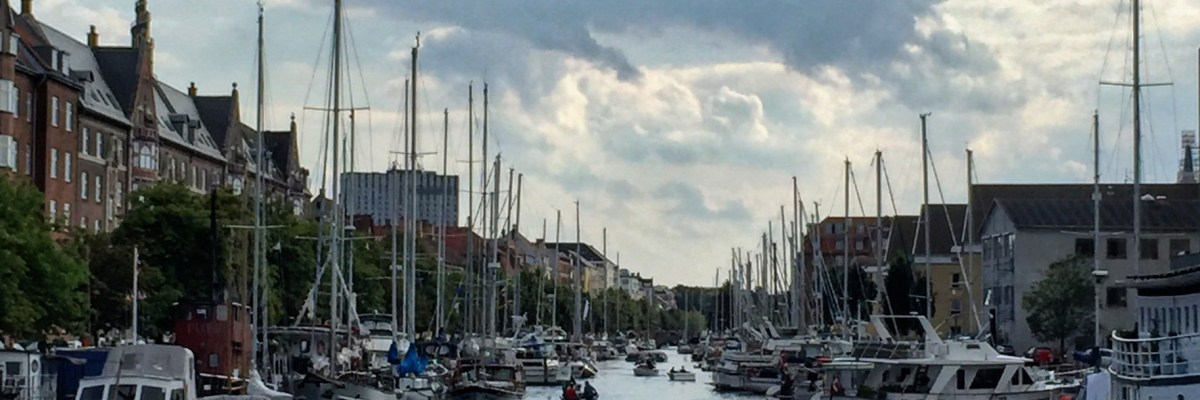
“Bye Bye” to good looking Copenhagen – linked to the famed Danish design, the cobbled bicycle-friendly streets, the sherbet-hued town houses, cappuccino and organic juice stands, baby carriages, and where pedestrians set the pace, and not vehicular traffic. It was a brief stay – both relaxing and satisfying.
Copenhagen
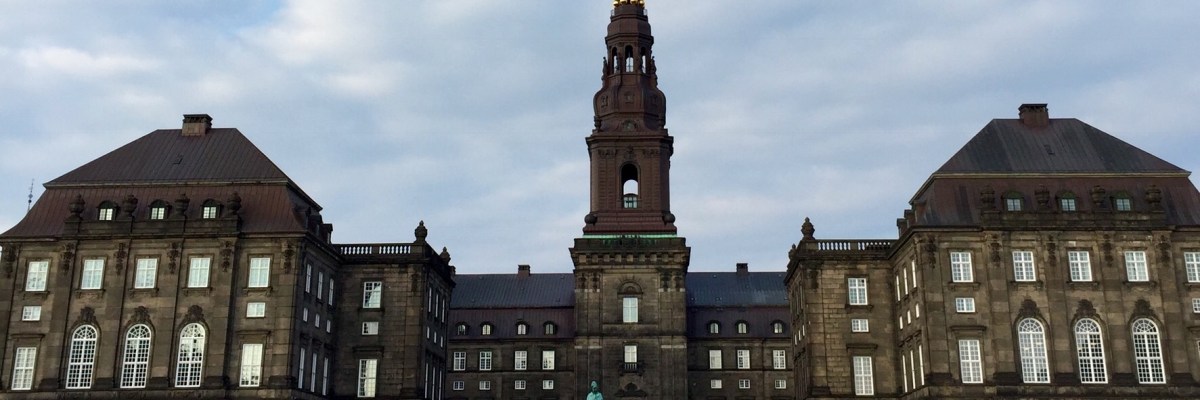
It was March 2008 when I last visited Copenhagen. It was a city I felt very comfortable and relaxed in. Now that I am in much need of a brief escape to “chill” (it is considered the coolest kid in the Nordic block after all!) and at the same time, where the heat is not as oppressive this time of the year — I find myself back in this Danish capital. Consistently rated as one of the happiest countries in the world, it also comes with a price — Copenhagen is ranked as one of the most expensive cities in Europe….