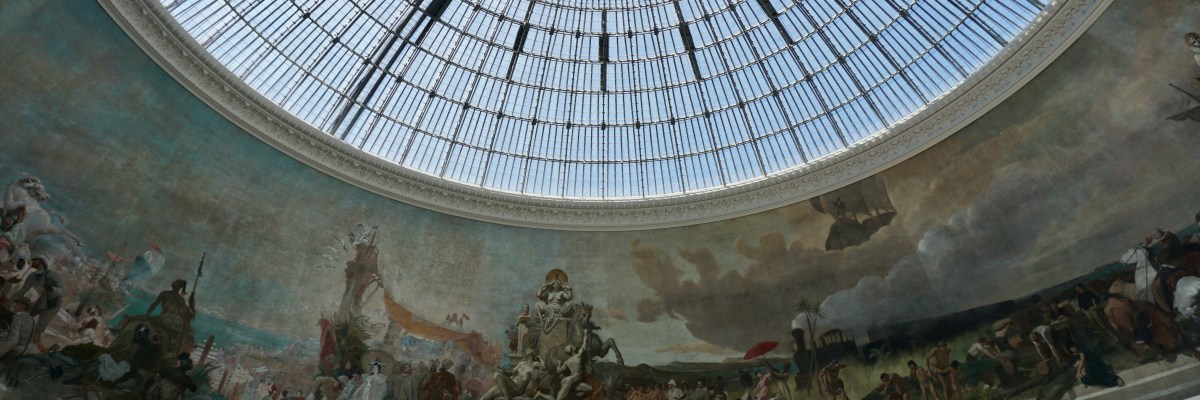
Seven years later, I made it back to Paris. First stop is my favourite Jardin du Luxembourg. The second item on my to do list is to visit The Bourse de Commerce – Pinault Collection. The building, formerly the commodity exchange, has been wonderfully restored and transformed by architect Tadao Ando and opened in 2021 exhibiting modern art.
Category: Architecture
Return to AMS
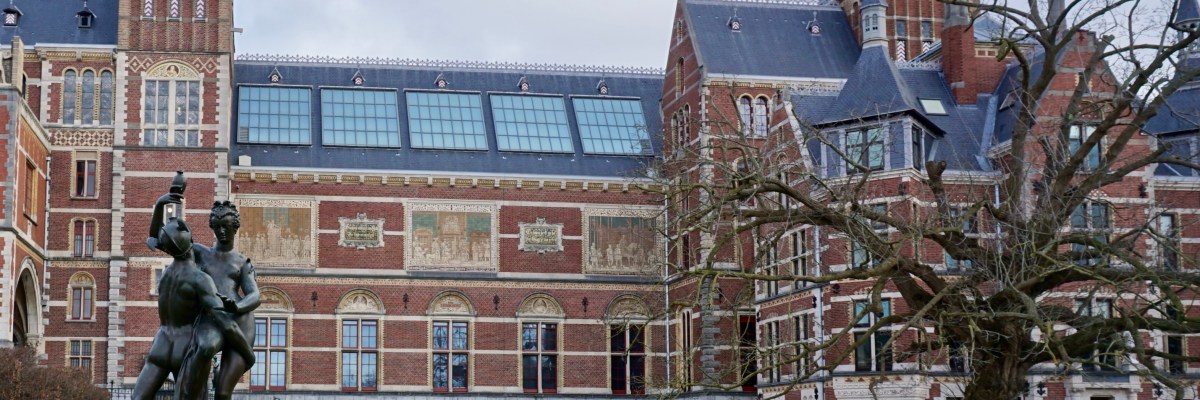
Fourth trip back to this loved City – friendly people, walkable, and so much to appreciate. I haven’t been here in the wintertime, but it does make it less crowded. I headed back to the Rijksmuseum, one of my favourites. Rembrandt’s The Nightwatch is under study and conservation since 2019 – and is behind a glass chamber.
Santiago de Chile
Santiago, Chile‘s capital city, has long been overlooked in favour of older and more well-know capital cities in South America. Nestled between the Andes Mountains and the Pacific Ocean, Santiago is no longer a stopover city and is finally coming into its own. The country’s most populated city has a chill and relaxed vibe. The Templo Bahá’í de Sudamérica opened in 2016 and has a luminous structure with nine monumental glass wings that is arranged like a leaf. Made with an external layer of molten glass and the internal layer of translucent marble that allow the passage of light.
Valparaíso
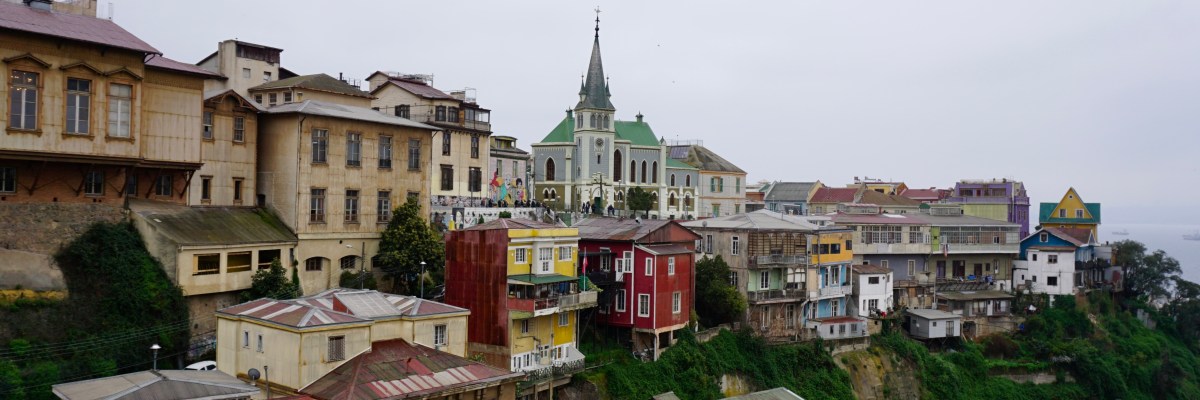
Located on central Chile’s Pacific coast, the colonial city of Valparaíso represents an extraordinary example of late 19th century urban architectural development in Latin America. Only 120 kilometres (an hour and a half drive) northwest of the capital Santiago, Valparaíso is Chile‘s main port and known for its bohemian and artistic vibe. Hosting one of the few UNESCO World Heritage sites in the country – Valparaíso is an open air museum full of art, graffiti, and colourful houses displayed within the hills.
Byzantium
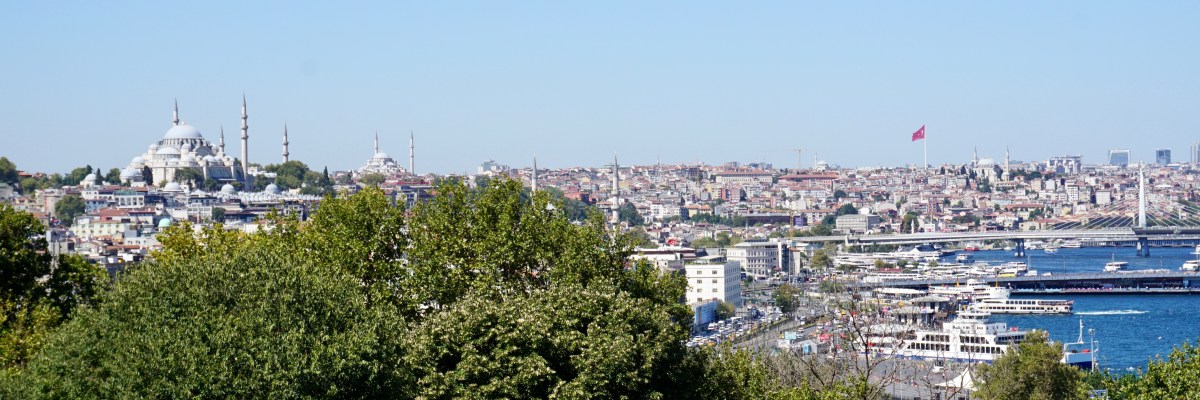
After twelve years, I am back for my second visit to the city first known as Byzantium, then became Constantinople, and Istanbul today. The city that is both ancient and modern, Europe and Asia, familiar and exotic. I visited for the first time two sights I failed to see the last time: the Basilica Cistern and the Istanbul Archeology Museum. And also took the opportunity to re-visit the Topkapi Palace and of course, the Ayasofya. In July 2020, the Ayasofya was decreed to be used as a mosque again, annulling the use as museum – the mosaics on the balcony…
Ephesus
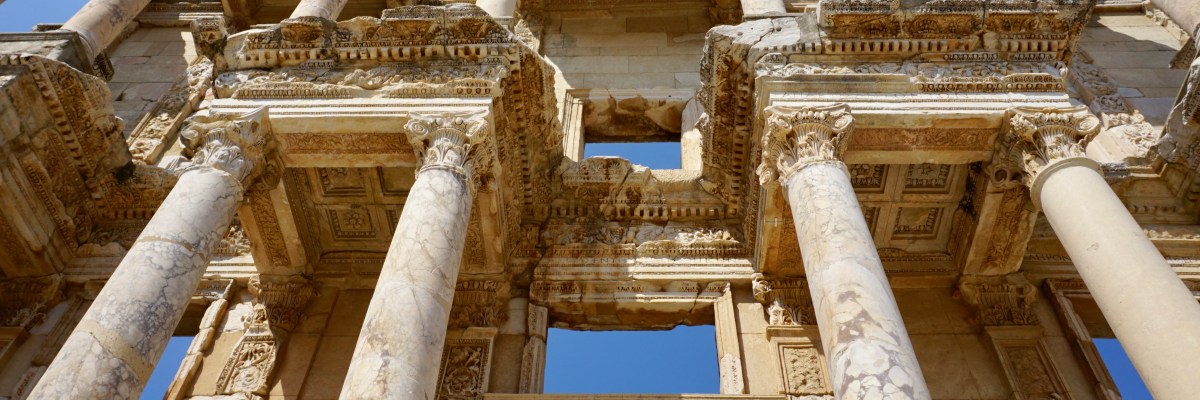
A UNESCO-listed World Heritage Site, Ephesus is Türkiye‘s grandest and best preserved ancient city with classical ruins. A showpiece of Aegean archaeology, the stellar ruins of Ephesus have provided travellers all the impetus to justify a trip to this stretch of picturesque coastlands. The ruins were rediscovered in the late 1800s and excavations have been going on for nearly a century. The Temple of Artemis that was built in the 4th century BC and was recognized as one of the Seven Wonders of the Ancient World. Its fame reached distant lands and it became a pilgrimage site for merchants, kings, and…
Firenze
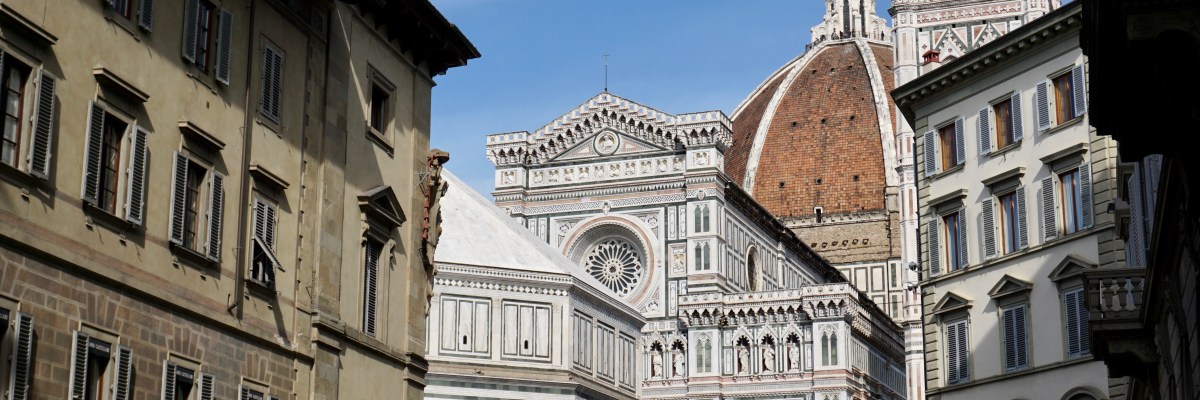
Three time lucky, as they say – and all my three visits to Florence have been a charm. I will never tire of this city. With most of the main sights lying within walking distance of one another, Firenze, is the cradle of the Renaissance and one of Europe’s great art cities. There is so much exquisite art and architecture within its ancient walls that it is easy to become overwhelmed. The plan is to visit sites I have not seen before. On exhibit at Palazzo Strozzi is Donatello, the Renaissance. A historic exhibition which sets out to reconstruct the…
Karnak & Luxor Temples
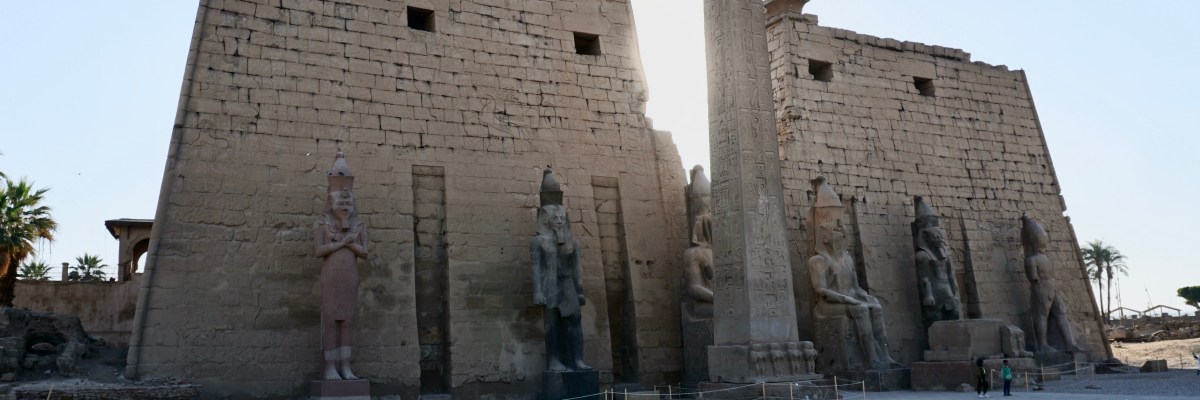
Luxor is often called the world’s greatest open-air museum and there might be nothing in the world that compares to the scale and grandeur of the monuments that have survived from ancient Thebes. After the pyramids of Giza, Karnak is Egypt’s most important pharaonic site. Excavations over the years have gradually uncovered the original structure of the temple complex, which was built over a 1,300-year period. Luxor Temple is an elegant example of Pharaonic temple architecture. The temple was largely completed by the 18th-Dynasty pharaoh Amenhotep III and added to during the reign of Ramses II in the 19th Dynasty.
Thebes
Modern Luxor grew out of the ruins of Thebes, once the capital of ancient Egypt’s New Kingdom (1550–1069 BC). The Temple of Hatshepsut rises out of the desert in a series of terraces that merge with the sheer limestone cliffs behind. Discovered only in the mid-19th century, and still being restored by the Polish Mission.
Luxor
Luxor has the greatest concentration of ancient monuments in Egypt. An hour’s flight from Cairo, one can spend a week here, although I was only able to spend a full day. The remote, barren Valley of the Kings was the necropolis of the New Kingdom pharaohs. The dramatic corridors and burial chambers are adorned with symbolic accounts of the journey through the underworld and ritual paintings to assist the pharaohs in the afterlife. The Valley of the Queens lies to the southwest of the Valley of the Kings and holds the tombs of many royal wives and children.