Getsemaní

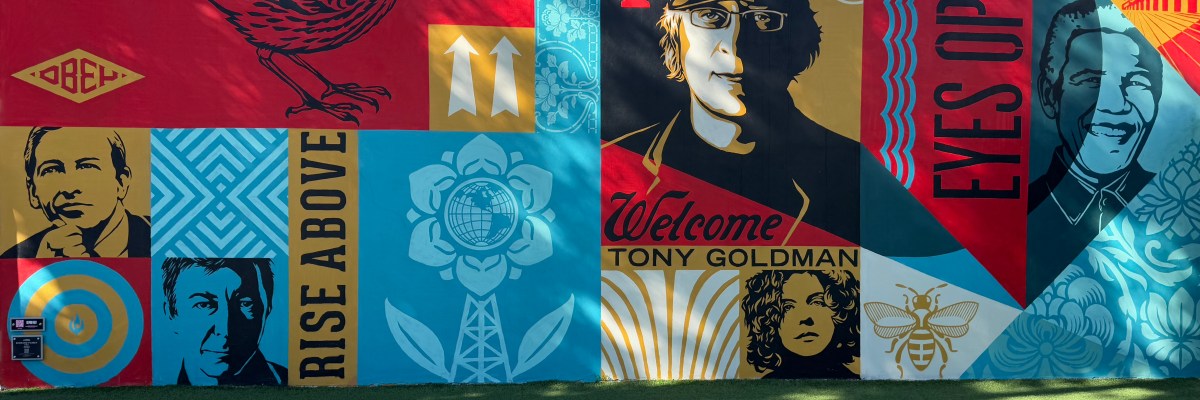
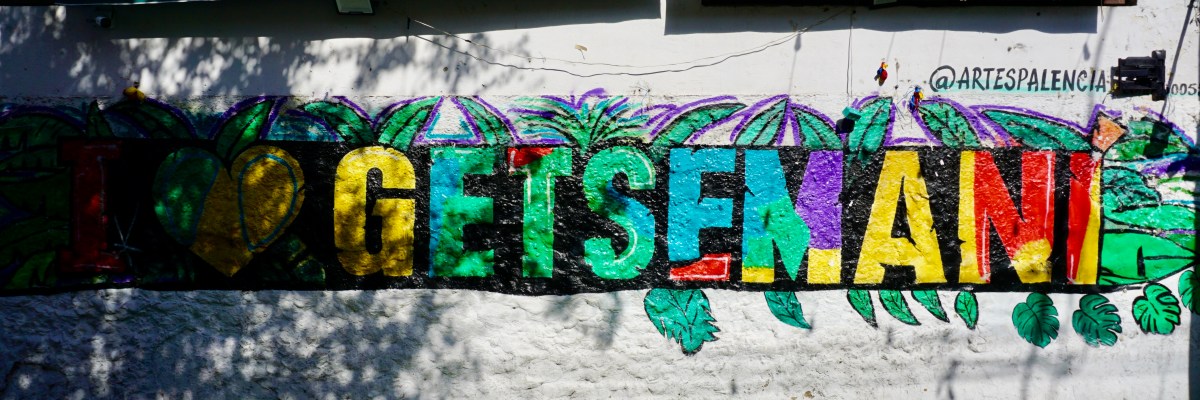
Once a primarily working-class neighborhood just outside the Old Town’s walls, Getsemaní has evolved into an artsy enclave renowned for its captivating street art. Along narrow alleys strewn with fluttering pennants, umbrellas and other colorful embellishments, weathered walls have become plein-air canvases for large-scale murals. The “culture quarter” where poets, artists, dancers, and photographers flee the exorbitant rents of the Old Town, the neighborhood’s independent spirit finds expression in the jumble of coffee shops, bars, restaurants, clubs, and boutique hotels carved from candy-coloured colonial homes.
Medellín

The Andean metropolis of Medellín has written a new narrative since the death of Pablo Escobar in 1993. Instead, visitors will discover a proud, progressive city that’s taken strides toward innovation with a modern metro and cable-car system that connects downtown with hillside barrios and beyond. Not to mention, the expansive collection of outdoor sculptures by Fernando Botero – with 23 at Plaza Botero and at Parque San Antonio, which included El Pajaro, which was damaged by a bomb in 1995.

Valparaíso

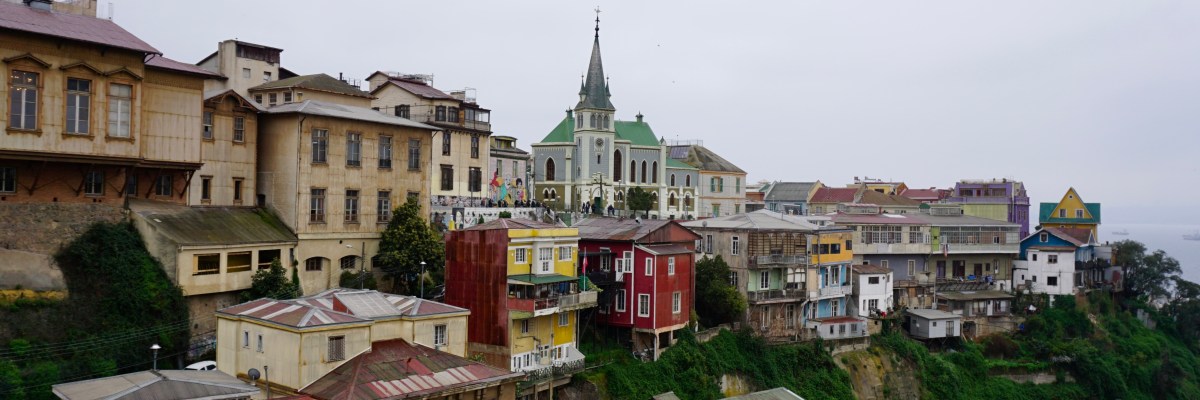
Located on central Chile’s Pacific coast, the colonial city of Valparaíso represents an extraordinary example of late 19th century urban architectural development in Latin America. Only 120 kilometres (an hour and a half drive) northwest of the capital Santiago, Valparaíso is Chile‘s main port and known for its bohemian and artistic vibe. Hosting one of the few UNESCO World Heritage sites in the country – Valparaíso is an open air museum full of art, graffiti, and colourful houses displayed within the hills.