Having spent part of the winter in Asia, part of the spring in Europe, and most of the summer in North America, the fall season brings me to South America — Bogotá, Colombia to be exact. One might be skeptical about claims that this city is at par with other South American capitals. But Colombia in general is experiencing a tourist resurgence. This subtropical country has clamped down on violence and cleaned up its act. I am here to check it out!

According to What?
Ai WeiWei’s current exhibit at the Art Gallery of Ontario (AGO) in Toronto is a powerful yet emotional, at times, commentary on society. Modern art that is relevant and one can easily relate to. The exhibit runs until Oct. 27, 2013 and is highly recommended. The Snake Ceiling is made of backpacks to commemorate the more than 5,000 school children who were killed due to the collapse of the shoddily constructed schools in the May 2008 massive earthquake in China’s Sichuan province. Moon Chest is comprised of seven chests made from quince trees. The circular openings align to show every…
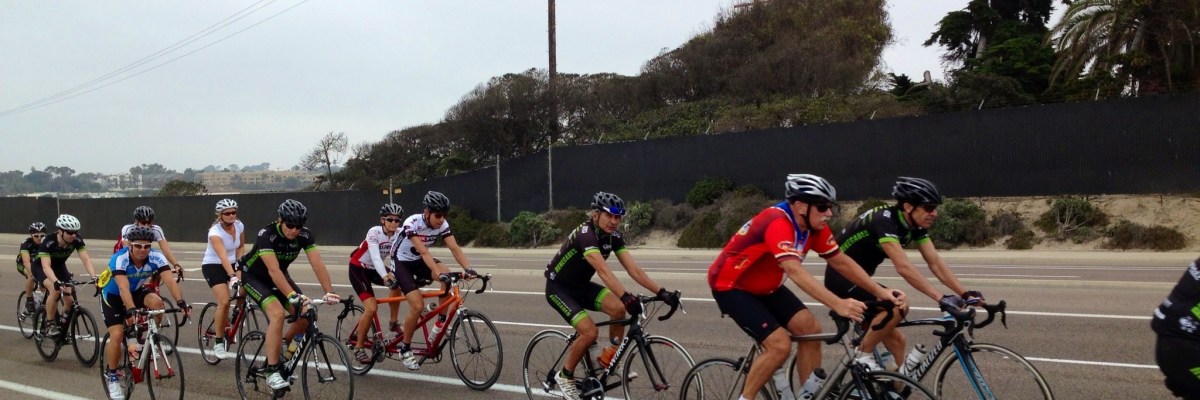
Biking in Carlsbad
Both serious and not-so-serious cyclists were out this morning by the coast — together with surfers, joggers and walkers. I was breaking-in my new Trek hybrid, which has “forced” me to finally be back on the saddle after a few years of pause. The marine layer precluded the sunny skies this morning.
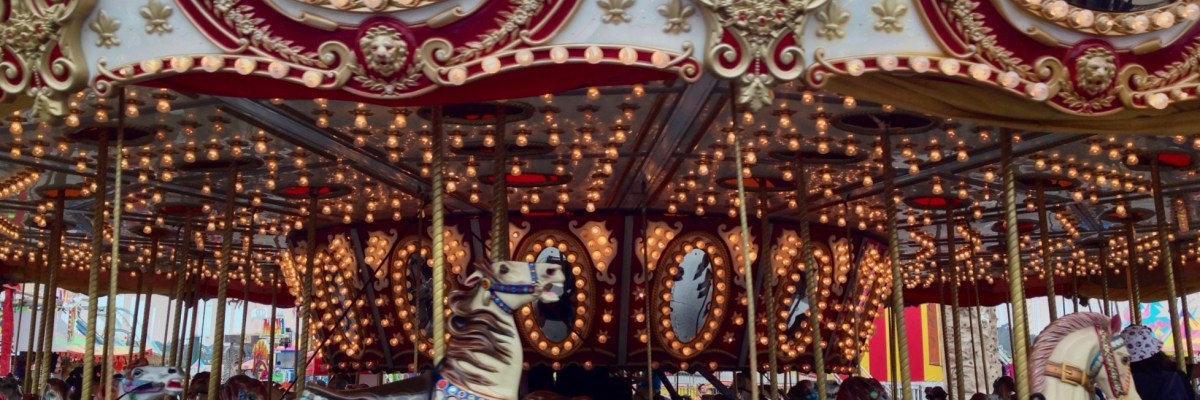
San Diego County Fair
In commemoration of the Fourth of July, I found myself wandering around the San Diego County Fair. Held annually at the Del Mar fairgrounds and race track since 1946, the fair originated as an agricultural fair in 1880. It is considered the fourth largest fair in the U.S., attracting 1.5 million visitors annually. Happy July 4th to my American friends!
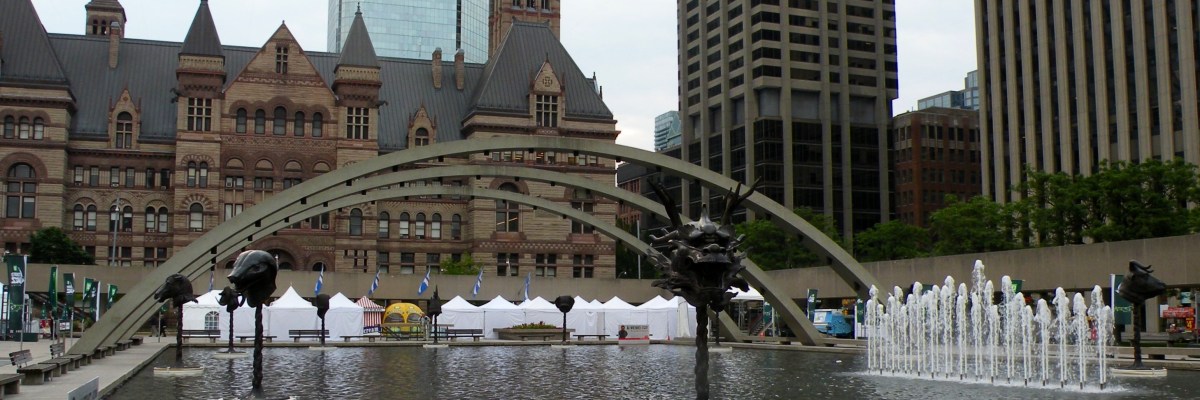
Toronto: Ai Weiwei
I am welcomed back to Toronto by summer and Ai Weiwei’s installation at Nathan Phillips Square (running until October 27). Ai Weiwei is one of the world’s most prolific, provocative and significant artists of today. Circle of Animals / Zodiac Sculpture is his reinterpretation of the twelve bronze animal heads of the Chinese zodiac that once stood in the gardens of the Yuanming Yuan, an imperial summer palace in Beijing. Designed in the 1700’s, the animal heads originally functioned as a water clock fountain, but in 1860, the palace was ransacked by French and British troops and the heads were…
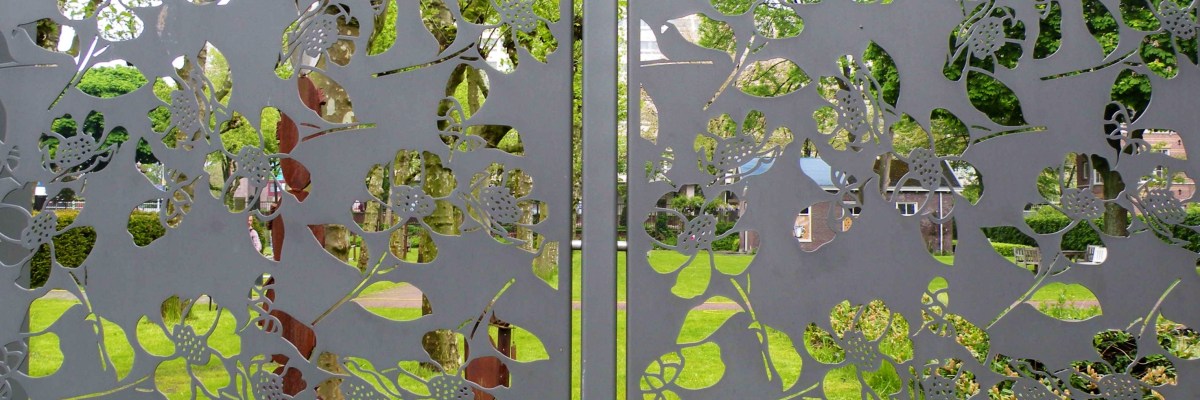
Tot straks
See you later ! After four weeks as my home base, I say good-bye to Amsterdam. It was a most enjoyable and relaxing stay. People are extremely friendly and affable (and everyone being conversant in English helped a lot too!). The relaxed pace, the bicycle bells, the warm smiles, the amazing seafood and Indonesian cuisine, the pastries from Holtkamp and Pompadour, Heineken beer, cheeses, and of course, the canals! Zie je later! I stayed at two wonderful well-located apartments during my stay in Amsterdam. Both were from Pied a Terre Properties of Amsterdam. The first apartment was located on the second…
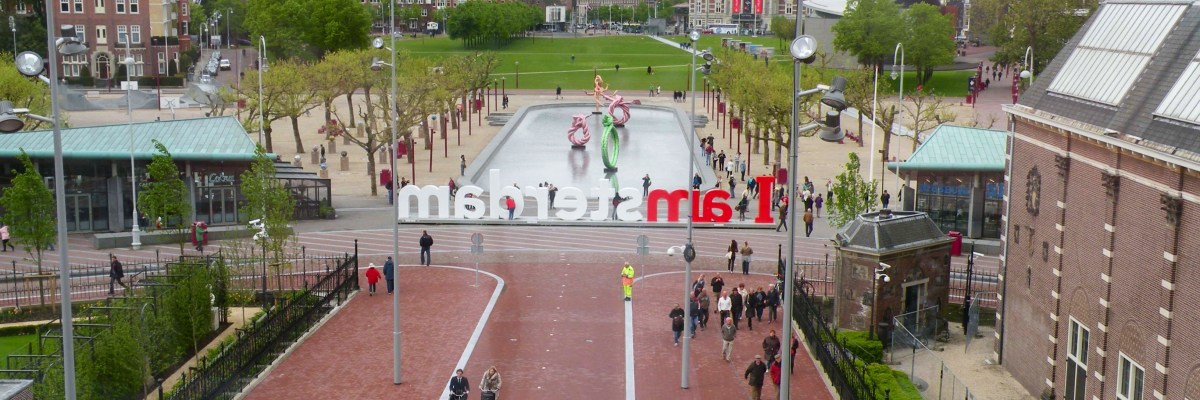
Bicycle Bicycle Bicycle
“I want to ride my bicycle, I want to ride my bike…” [lyrics from Bicycle Race by Queen] Amsterdam is a city with a mass legion of bikers. If you are a pedestrian – watch where you are walking!
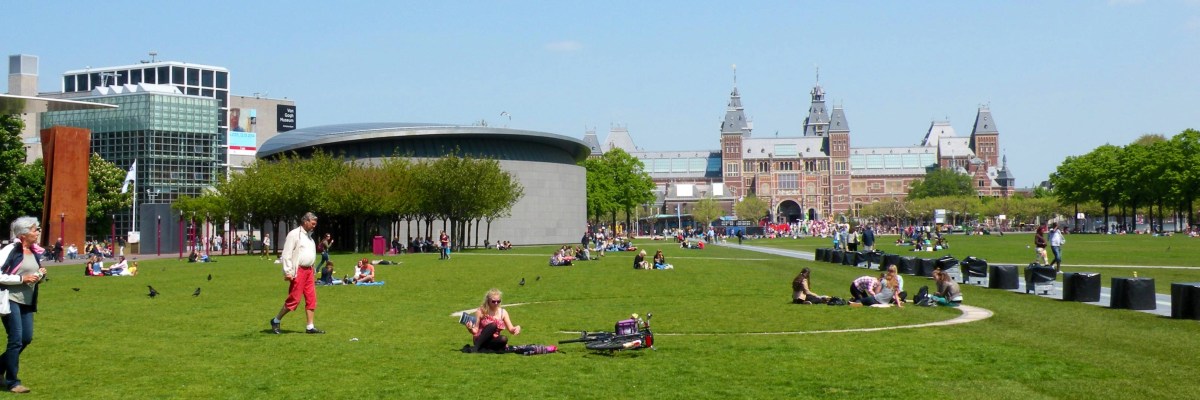
Architectuur
For people interested in architecture, Amsterdam is one of Europe’s foremost architecture and design city. The city has so much to offer ranging from classicism, gothic and renaissance, to canal house architecture, to art deco and obviously, the architecture of the Amsterdam School, up to the current modern architectural forms. It is a feast for the eyes of the archi-tourist. The Architecture of the Amsterdam School was brought about by the industrial revolution at the end of the 19th century with architects seeking new elements for decorating building facades. This is characterized by exotic rooflines, ornamental brickwork, cornices, window frames…
De Pijp
“The Pipe” is a neighbourhood connected to central Amsterdam by 16 bridges and fondly alluded to as the area behind Heineken brewery. Often referred to as the “Latin Quarter” of the city, it was a 19th century working class area with shoddy tenement blocks built to ease overpopulated Joordan. Today, it is a very vibrant and multi-cultural neighbourhood with its blue-collar roots mixed in with students, artists and young professionals. The artist Piet Mondrian used to live here. Funky boutiques stand beside falafel food stalls and Surinamese shops. The Albert Cuypmarket is located here – Europe’s largest daily street market…
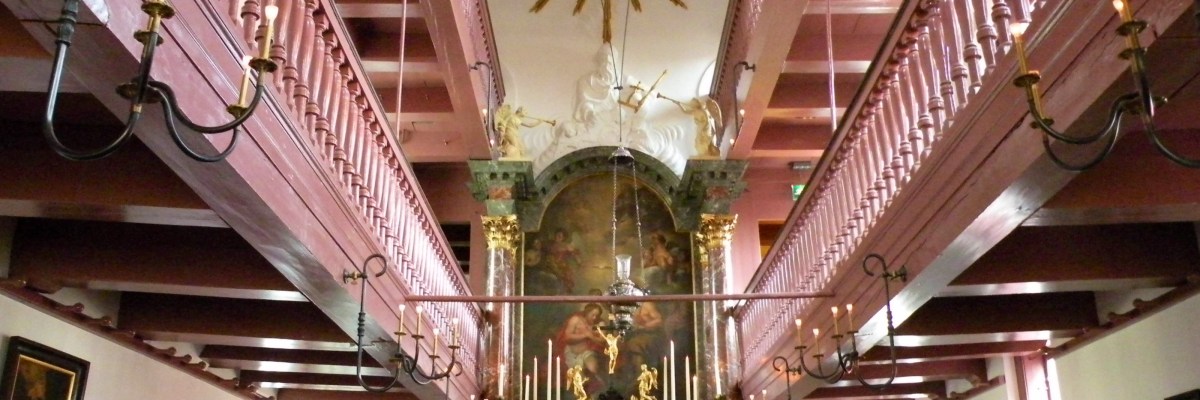
To God and King
What major city in Europe would not have churches and palaces? During the Middle Ages, the Netherlands was a bastion of Catholicism. However, from the end of the 1500s, Calvinism took hold with Protestant opposition to Spanish Catholic rule. There was the Iconoclastic Riots of 1566 when the decorations of Catholic Churches were destroyed and lost forever. And in the early 1600, when a blind eye – in return for payment – resulted in clandestine churches. Formerly the town hall, the Koninklijk Paleis (Royal Palace) is still used by the Dutch Royal Family. Designed by Jacob van Campen, the neo-classical…
 where's gary