Peruvian Delights

The Peruvian capital of Lima has been the epicenter of an increasingly acclaimed culinary renaissance. The source of her gastronomic excellence is the melting pot of flavours from every corner of the globe: Spain, Italy, France, China and Japan. In addition to the influences of Afro-Peruvian community and the indigenous cultures. Several of Latin America’s 50 Best Restaurants (2017) can be found in Peru. Amaz is one such restaurant that I enjoyed a lot. It is the first and only restaurant of its kind presenting Amazonian cuisine with urban vibes. Another Top 50 restaurant which has been on the forefront of Peru’s…

Cusco

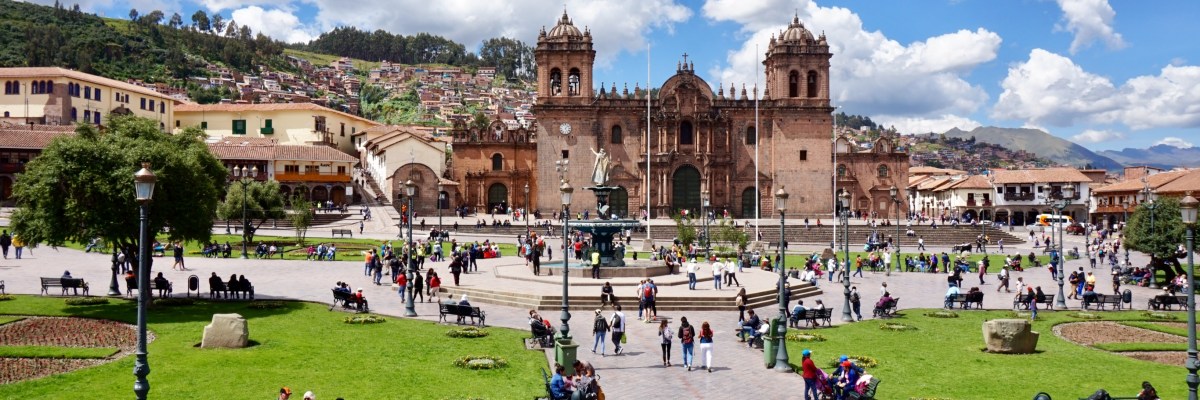
Cusco is the storied capital of the Inca Empire and gateway to the imperial city of Machu Pichu. Stately and historic with stone streets and building foundations laid more than five centuries ago, Cusco sits at an altitude of 3,400 m (11,000 feet) above sea level. Cusco is a blend of pre-Columbian and colonial history and mestizo culture. Meaning “navel of the world” in Quechua, this was the political, military and cultural centre of the Inca empire.

Urubamba Valley

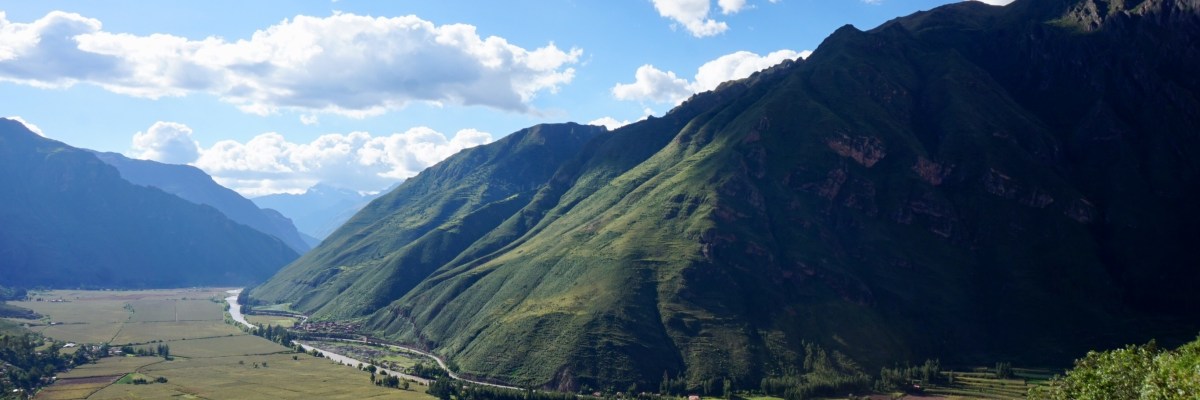
Better known as El Valle Sagrado de los Incas (the Sacred Valley of the Incas), Urubamba Valley is a stretch of small villages and ancient ruins northwest of Cusco. Stretching about 100 kms from Pisac to Ollantaytambo, the villages remain traditional with Quechua-speaking residents. The Sacred Valley, about 300 m lower than Cusco, is one of the highlights of Peru.

Lima

Founded in 1535 by the Spanish conquistador, the “City of Kings” became the center of power and trade of the Spanish Crown. Today, Lima has a population of more than eight million, about a third of Peru‘s total population, and the seat of the national government. Across the capital are the country’s finest museums as well as its most creative restaurants – Peruvian cuisine has been a subject of  growing international buzz for the past few years and many visitors are flocking to experience this city’s gastronomic offerings. The Museo Arqueológico Rafael Larco Herrera, founded in 1926, has the world’s…

Dormir et Manger

I saw Fontevraud L’Hotel featured in an architectural design magazine a couple of years ago and I placed a sticky note on it as a reminder that I should visit it one day. Fast forward and here I am at Fontevraud L’Hotel  which forms part of the Fontevraud Abbaye Royale – and it definitely did not disappoint. The setting is idyllic and in a sense, spiritual. Service was warm, the rooms were simple and modern, and it is the common areas and the grounds that make it extra special.                     I usually stay in the 6th…

Paris en Hiver

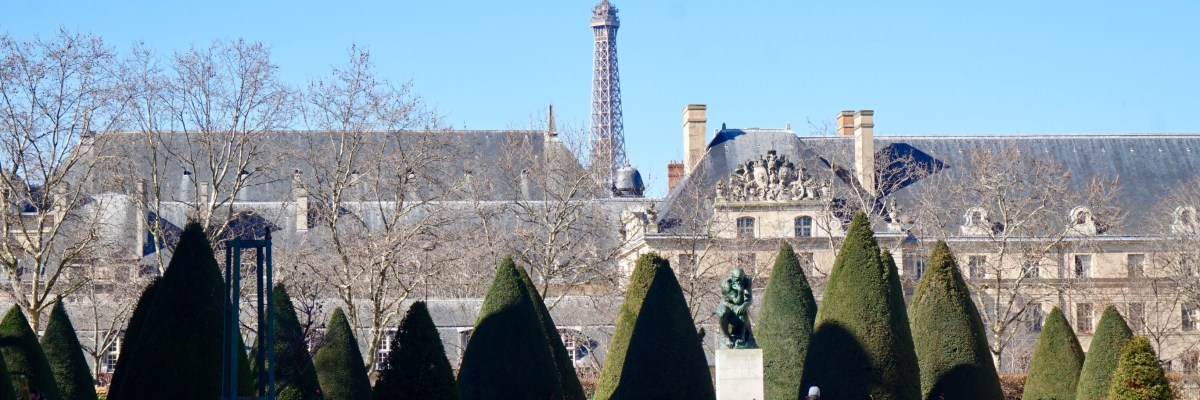
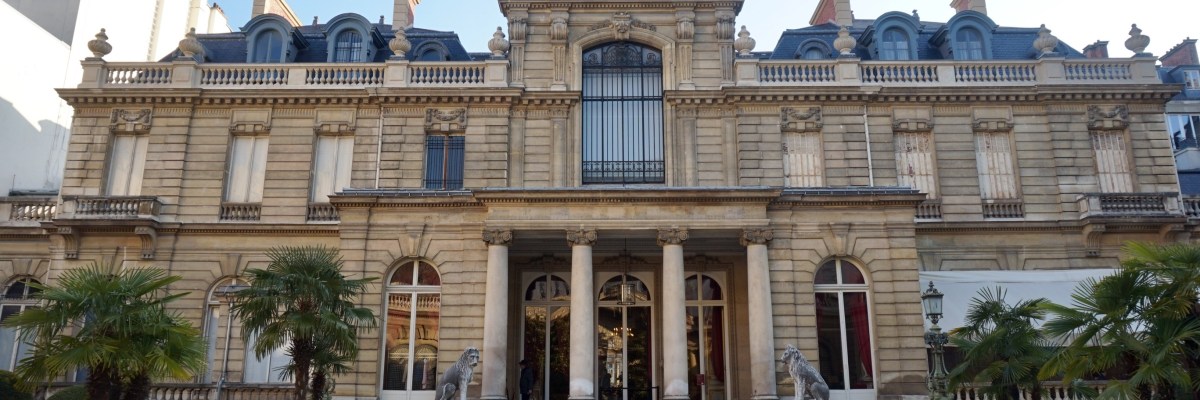
Third year in a row I have been coming to Paris in the winter, and it was a cold one this year – with some snow. Musée Jacquemart-André is set in a 19th century mansion – relatively reasonable in size but offers a lot with its magnificent art and decorative objects. The impressive collection include pieces from Tiepolo, Bellini, Botticelli, David, to Rembrandt and Frans Hals.                       Musée Rodin is one of my favourites in Paris – I call it my “happy place”! I would be well content to be…

Fontevraud Royal Abbey

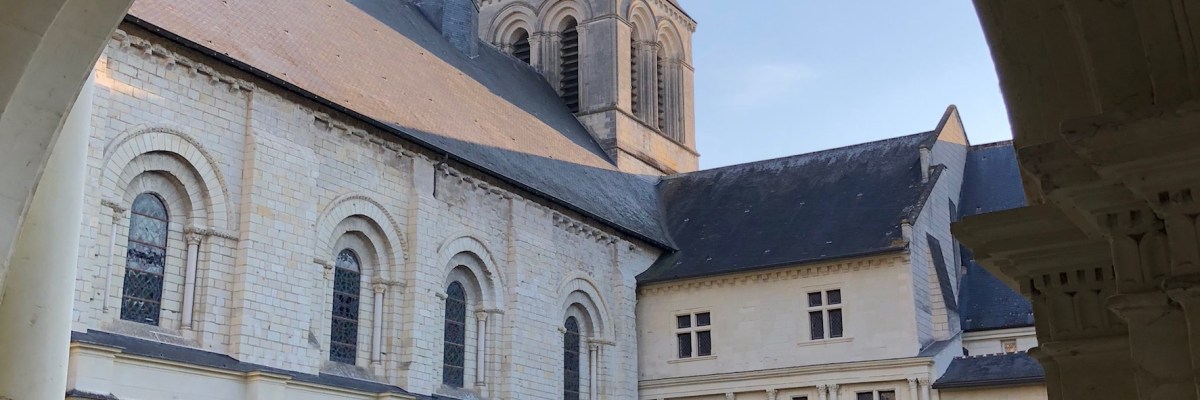
The main reason for my trip to France this year : to visit the Royal Abbey of Our Lady of Fontevraud in the Loire Valley. Formerly a monastery in the village of Fontevraud-l’Abbaye, near Chinon, it was founded in 1101 and became the center of a monastic Order. It is one of the largest surviving monastic cities from the Middle Ages, until 1792 when the last abbess was evicted following the French Revolution. A UNESCO World Heritage Site, the complex of monastic buildings was transformed into a high security prison by order of Napoleon Bonaparte housing up to 2,000 prisioners…

Comendo e Dormindo

  Plenty of good food options in Portugal, particularly for fish and shellfish. Menus in top restaurants are on par with other major European cities, where one will encounter Portuguese cooking mixed with continental classics. Moreover, prices are quite reasonable compared to other major cities. In Porto, the first restaurant I tried, which was simply delicious, was Terreiro. Excellent seafood and friendly service.   Also in Porto, the charming Belle Epoque Majestic Cafe is considered the oldest cafe in the city (circa 1921).  Lots of tourists come to take photos of the place. I would not recommend dining here though, as…

Manueline Style

Manueline architectural style combines Moorish, Renaissance and Gothic elements. The style developed during the reign of Manuel I of Portugal. This coincided with the Age of Discovery and the peak of Portuguese maritime power. The Moisteiro dos Jerónimos and the Torre de Belém in Lisbon, and the Quinta da Regaleira in Sintra are three exceptional examples of this style. The Manueline style was considered the most authentic Portuguese architectural style.  

Lisbon

One of Europe’s most visually striking capitals, Lisbon‘s appeal is more than the friendliness of the locals and her laid back pace. In its golden age, Lisbon was one of the greatest maritime centres in history – with hoards of treasures from around the world. Today, continental Europe’s westernmost capital is a cosmopolitan city that continues to grow and evolve.