The Azores comprise of nine islands in the middle of the Atlantic half-way between North America and continental Portugal. The Portuguese discovered this remote archipelago, scattered 1,400 kms west of their mainland in the early1500s. The islands are mythical land of volcanoes, bubbling thermal waters, geysers of rising steam, turquoise-toned lagoons, and bottle-green lakes.
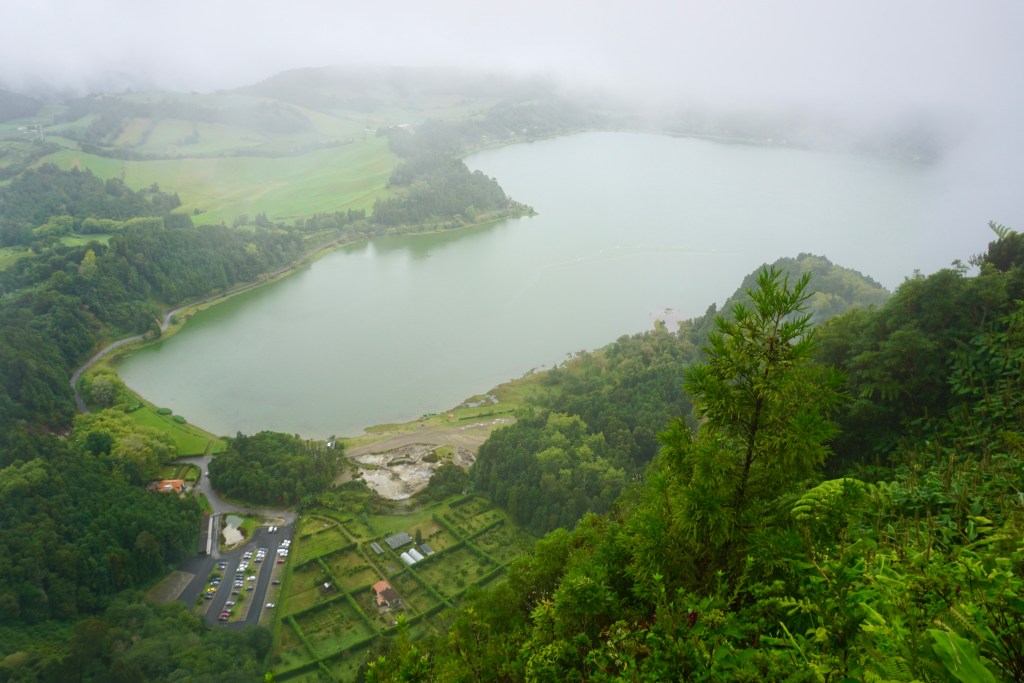
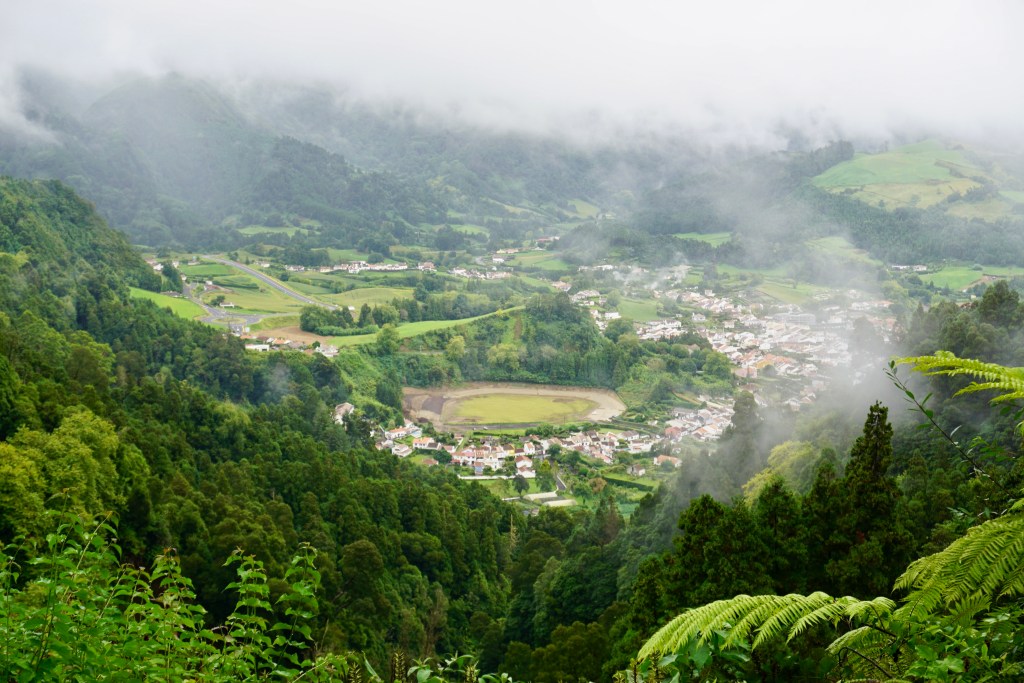
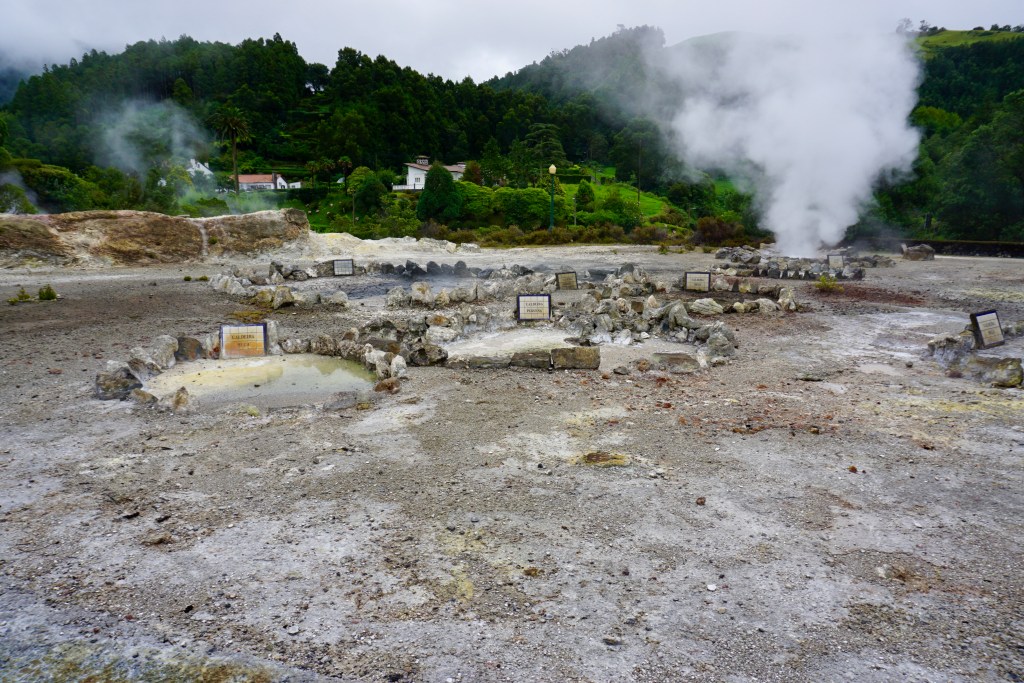
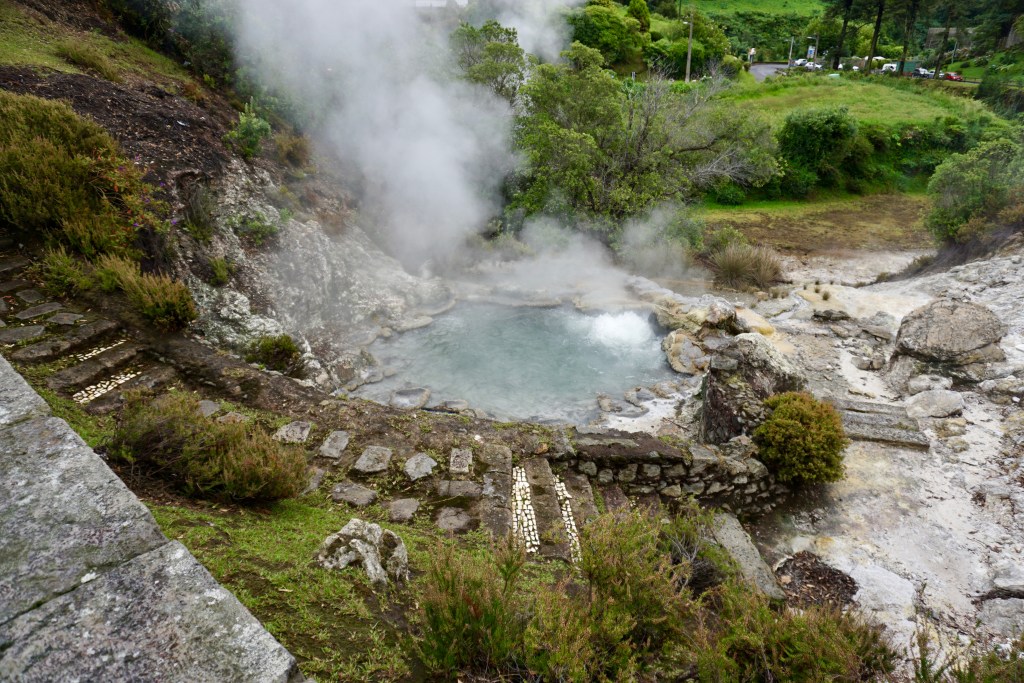
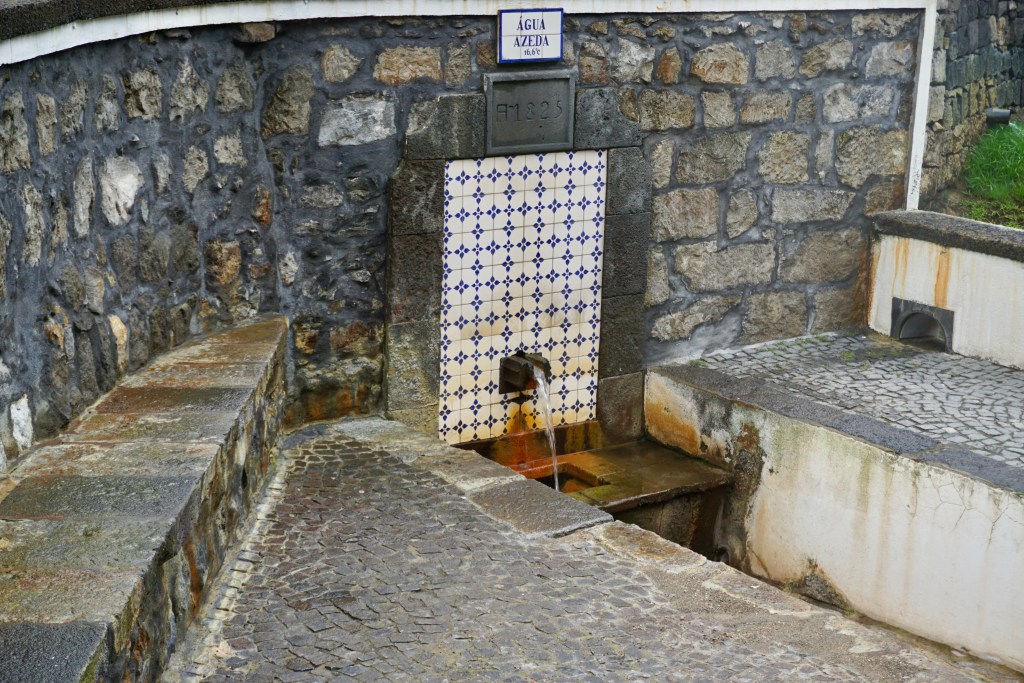
Lagoa des Furnas is a volcanic crater lake in Furnas Valley. Fed by the valley’s geothermal activity, a number of alfresco pools provides the perfect rejuvenation, courtesy of Mother Nature. This volcanic caldera has lain dormant since 1630, and it’s one of São Miguel’s most intriguing and otherworldly geothermal spots where mud pots bubble and fumaroles steam amid the lush green landscape
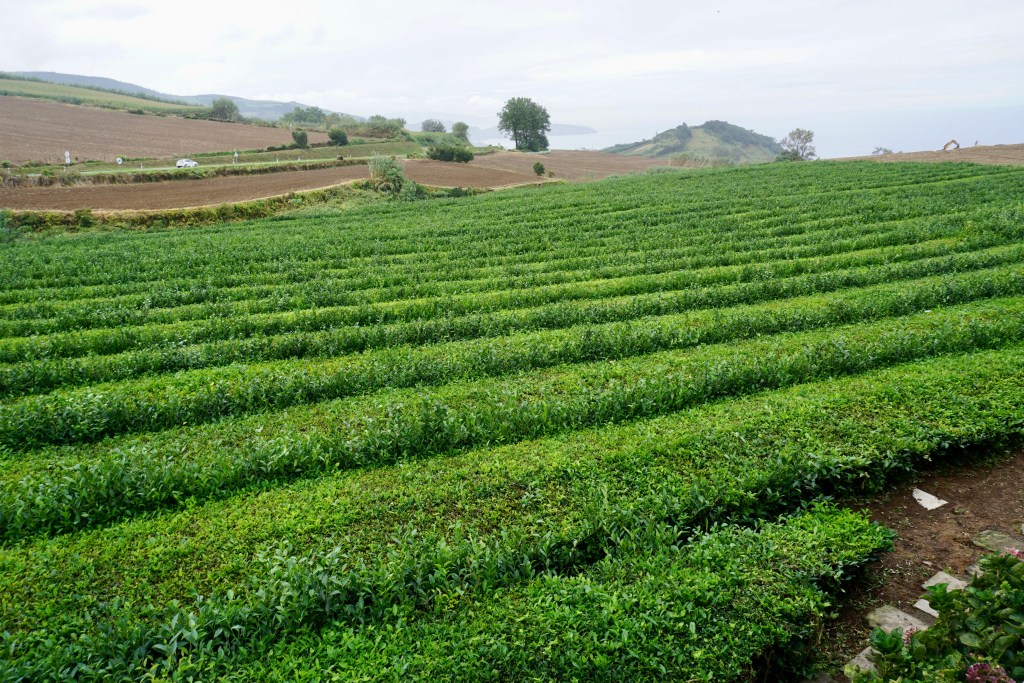
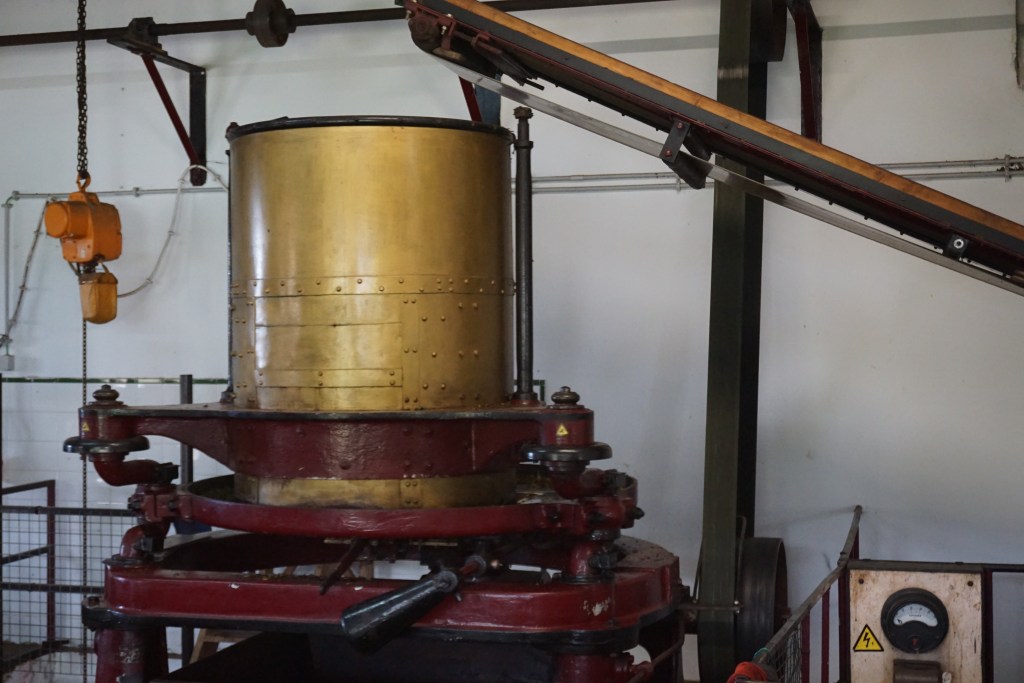
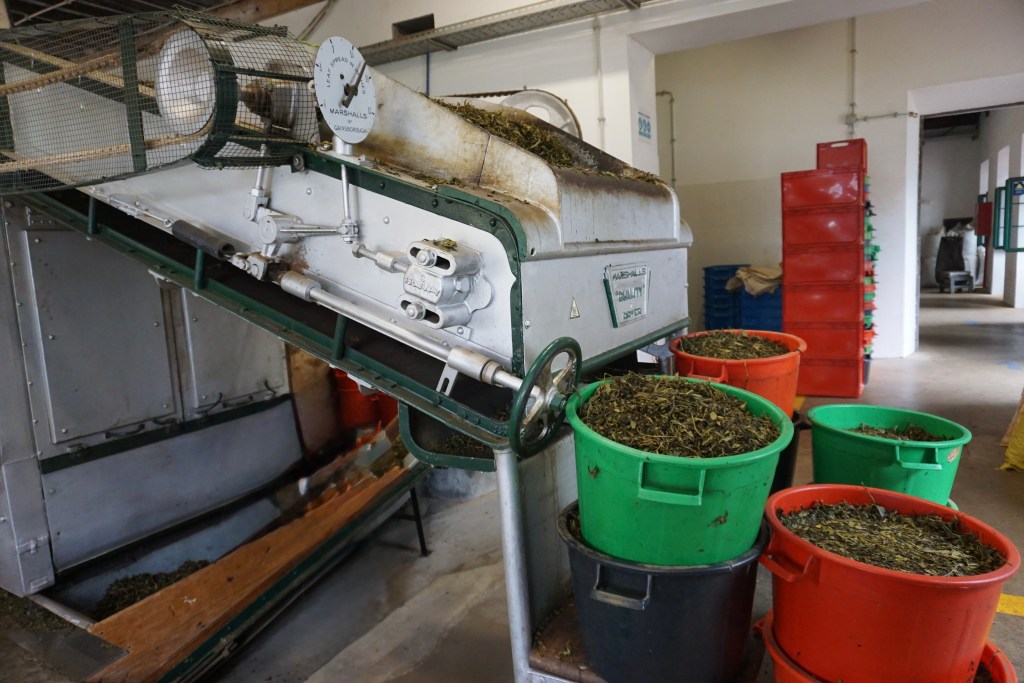
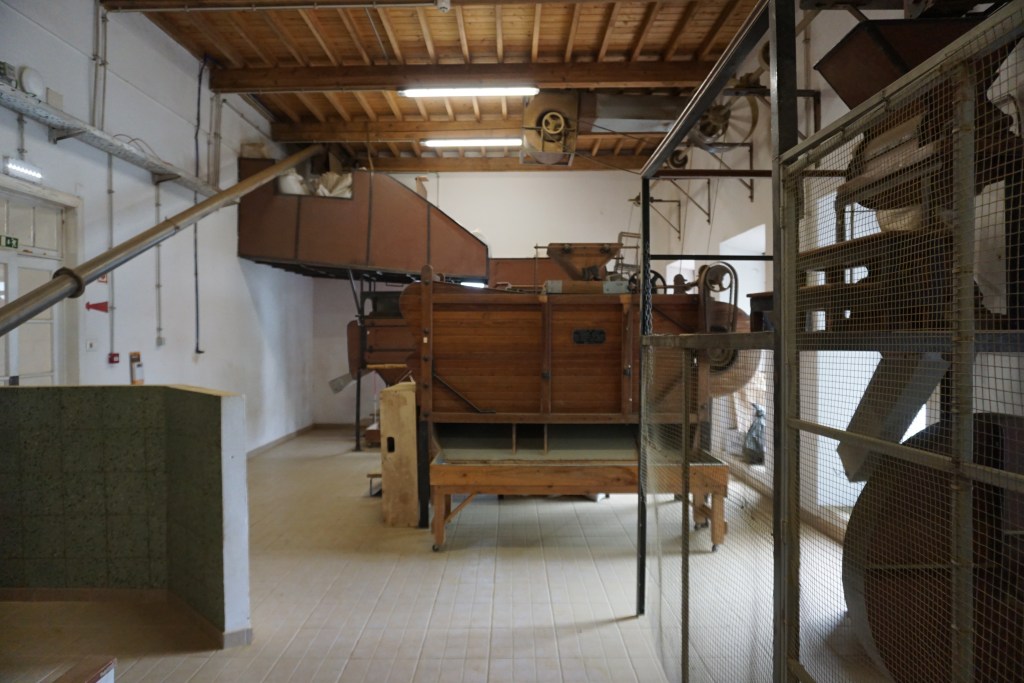
I did a brief tour of a tea plantation, Chá Gorreana founded in 1883, said to be the oldest tea plantation in Europe – they mostly produce black and green tea.
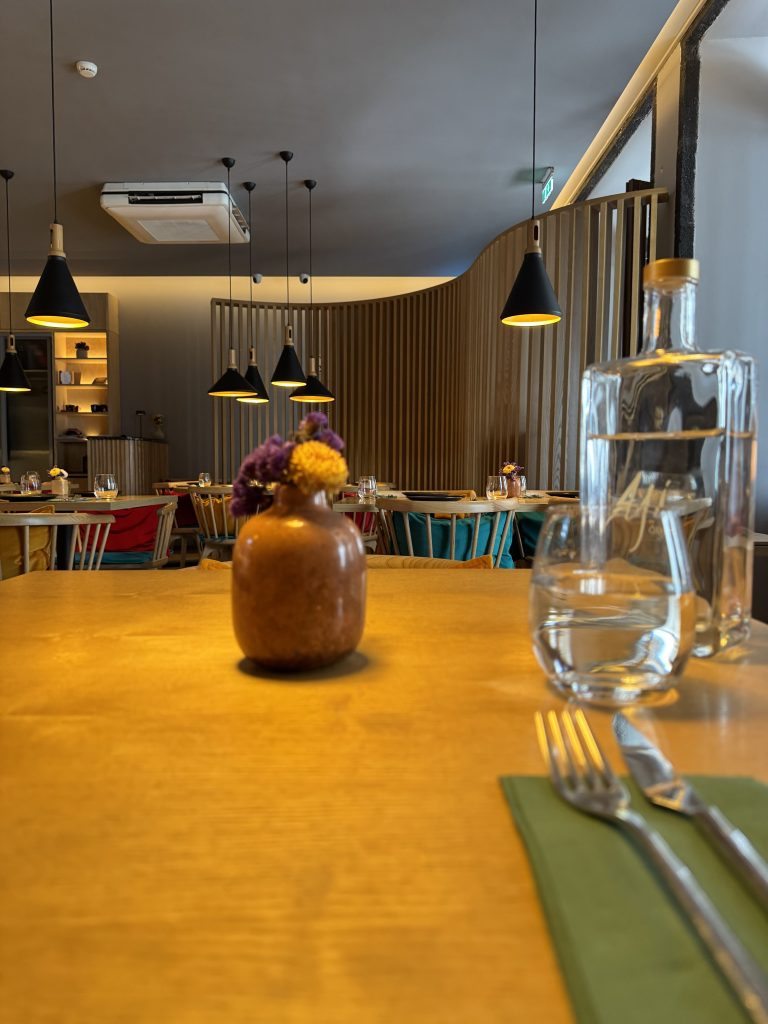
Food at the island was good and hearty. Lunch at Aji (sister restaurant of Otaka for dinners) was wonderful.
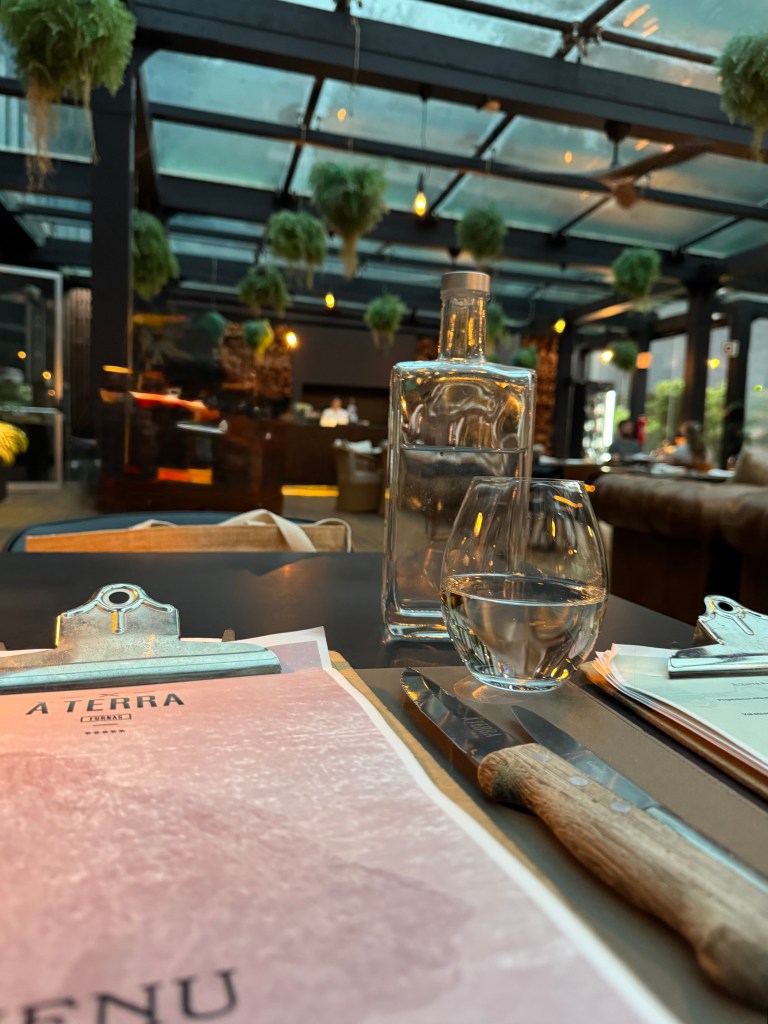
Another good meal I had was at Octant Furnas Hotel’s A Terra, where I had to try the famous local dish of Cozido das Furnas, a traditional meat and vegetable stew slow-cooked underground using geothermal heat.
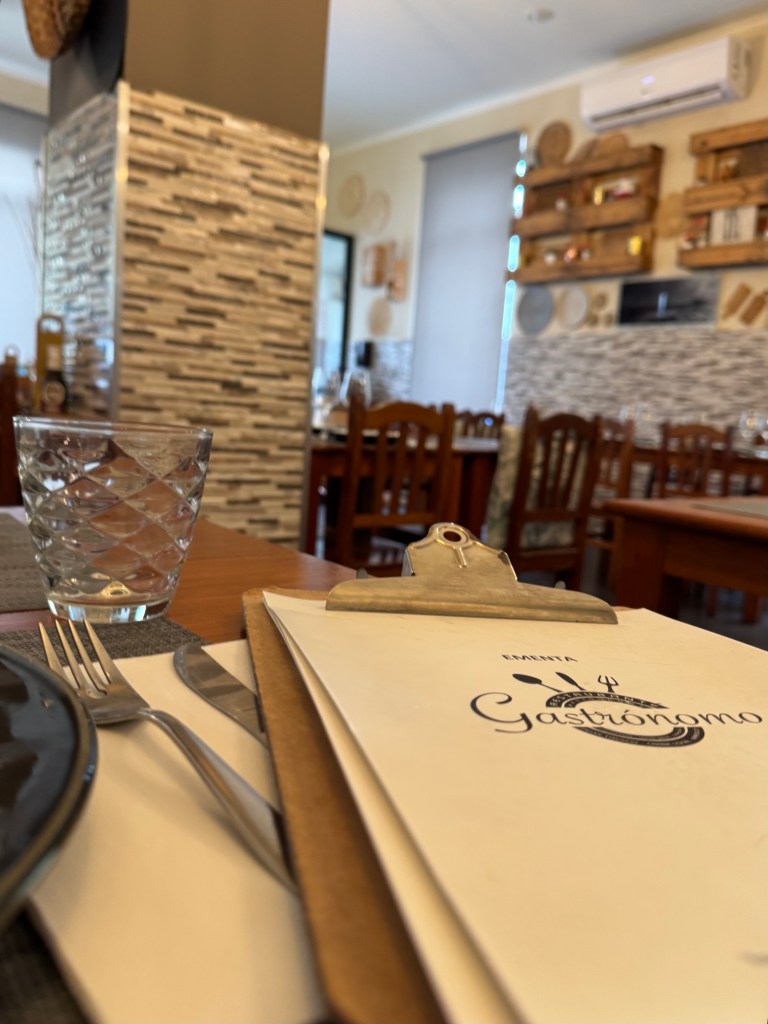
Last lunch at Restaurante Gastronomo – a family-run casual restaurant that serves good fresh seafood.
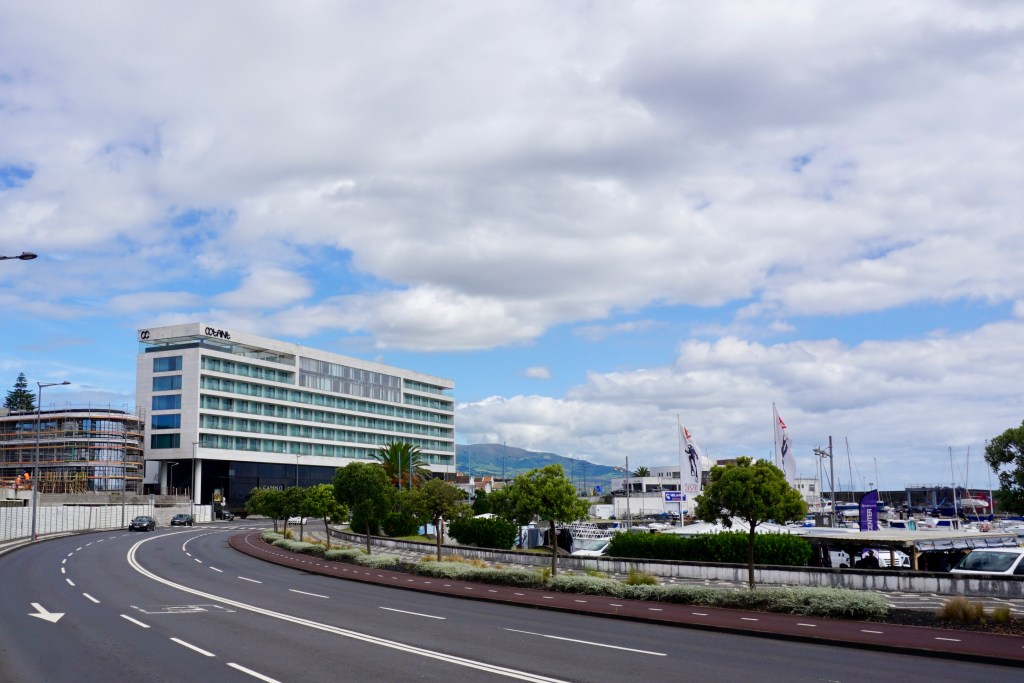
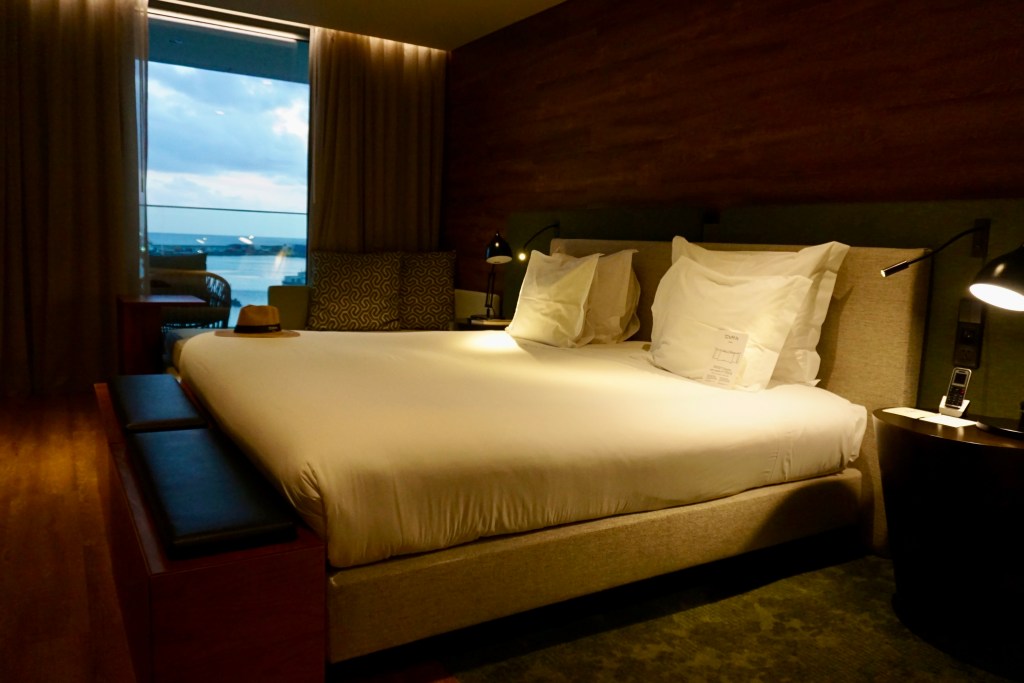
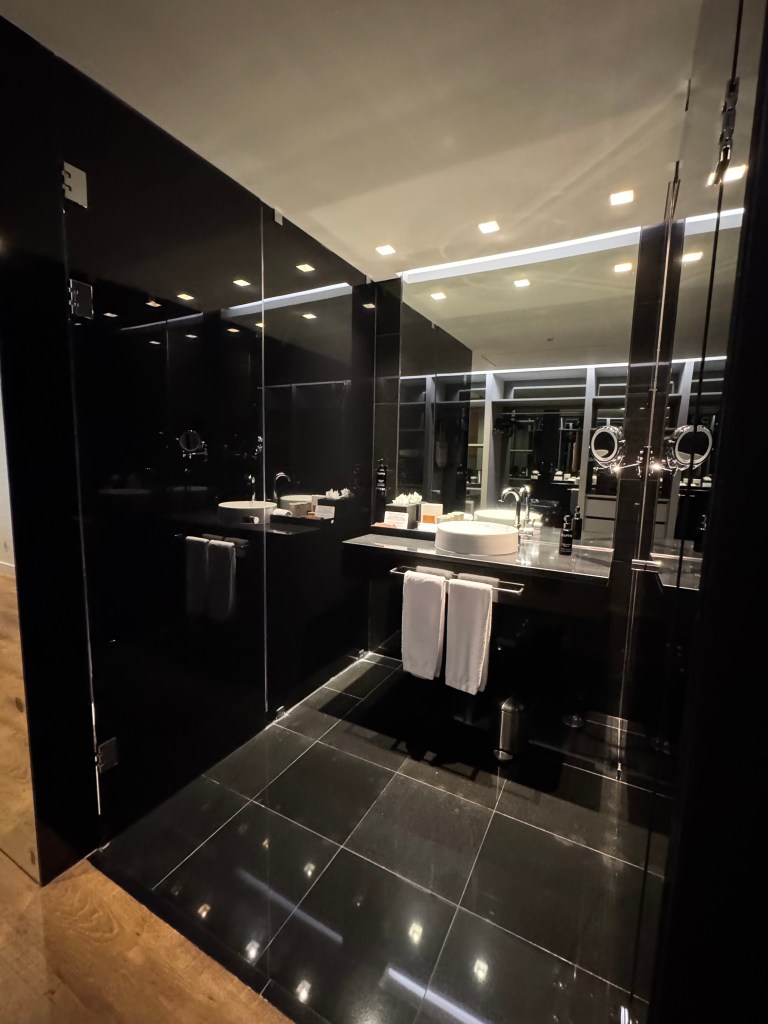
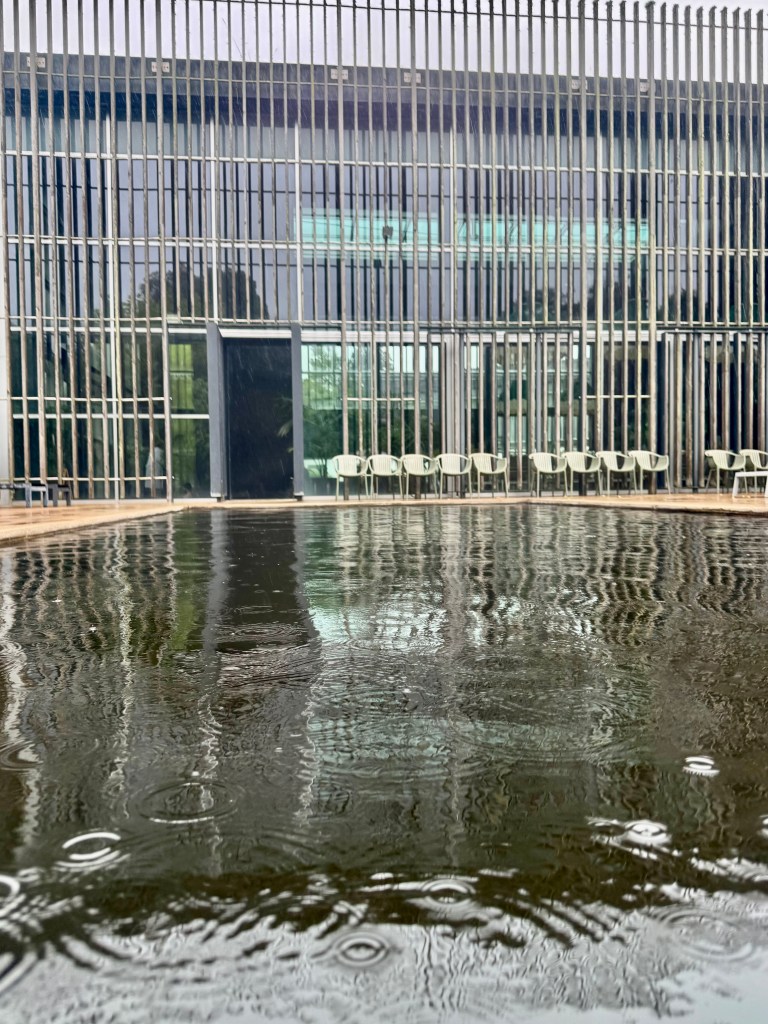
I decided to stay at Ponte Delgada for my stay – as I debated staying in the city centre or in another town. Octant Ponte Delgada is a newer hotel and has a sister hotel, Octant Furnas. They were able to arrange for me to head to their Furnas hotel for a dip in their hotel’s thermal pool, and have dinner afterwards – which addressed my initial dilemma. The hotel concierge also arranged for all my tours around the island.
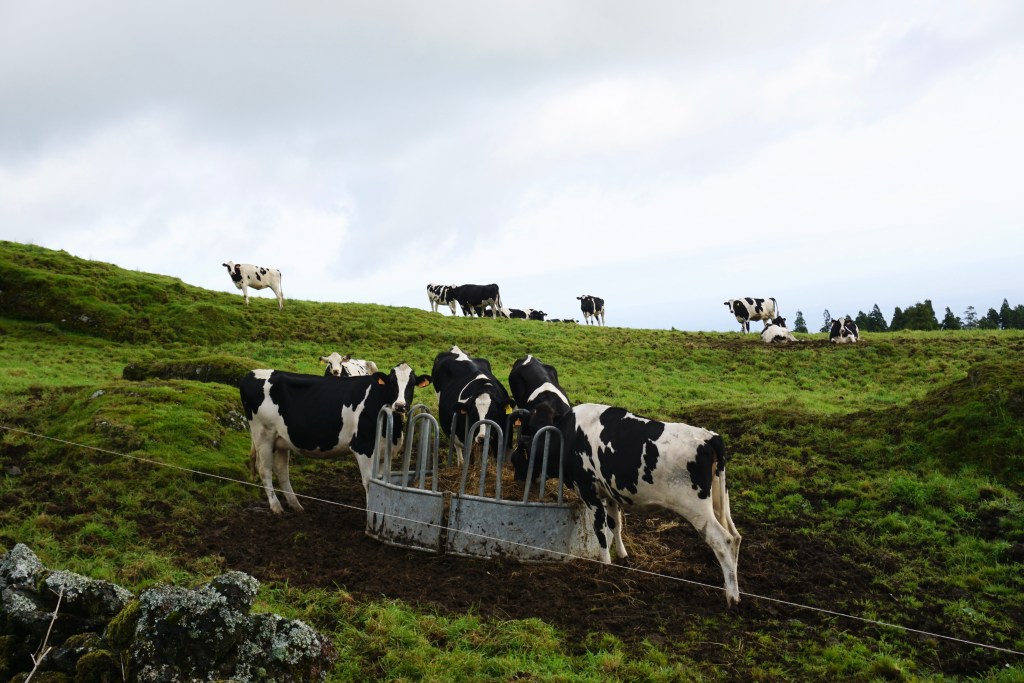
PS: The Azores is also known for their “happy cows” – with more cows than the human population.