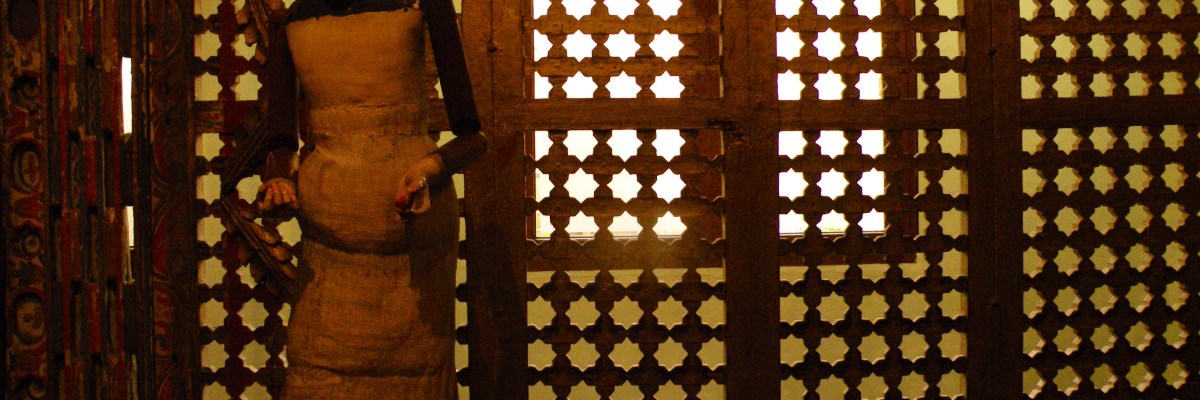
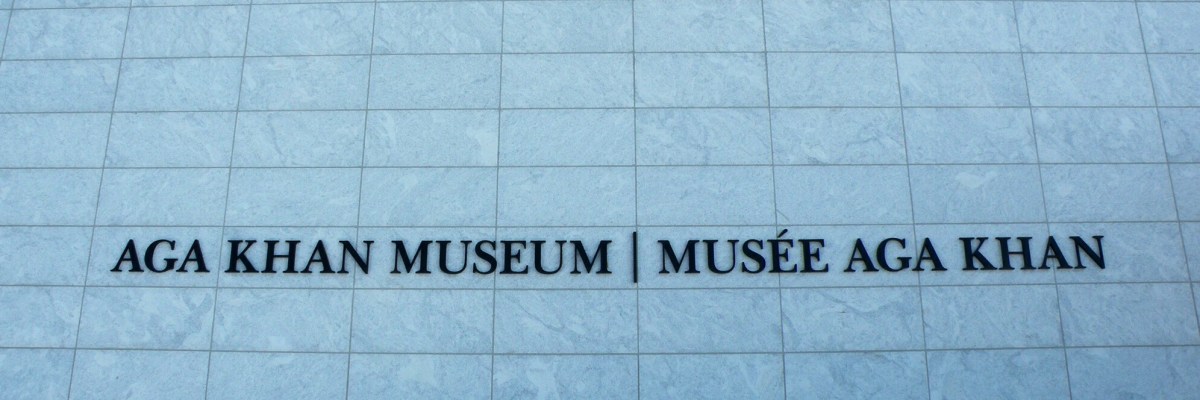
Opened ten days ago, the Aga Khan Museum in Toronto is one magnificent building designed by Japan’s Pritzker Architecture Prize winner Fumihiko Maki. Utilizing light as inspiration, light animates the building in myriad ways depending on the time of day or season. Maki incorporates historical elements from Islamic cultures into contemporary design. The $300 million Aga Khan Museum is the first museum in North America dedicated to showcasing Islamic Art. It offers visitors into the world of Islamic civilization across the centuries from the Iberian Peninsula to China. Across the museum is the also newly-built Ismaili Centre Toronto designed by Indian architect Charles Correa. The…
Category: Architecture
Ayasofya & Chora
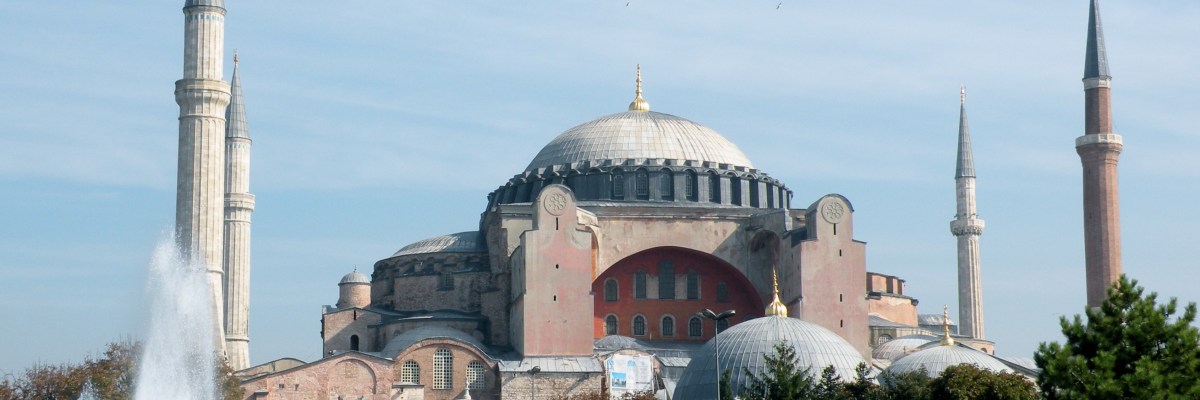
Known in Greek as Hagia Sophia and in English as St. Sophia, the Ayasofya in Istanbul was designed to surpass the grandeur of any other monument to God. Built in A.D. 537 as the greatest church in Christendom and symbol of the Byzantium, Ayasofya was converted into a mosque in 1453 during the Conquest, where adjustments were made that included covering of the frescoes and mosaics and the addition of minarets. In 1935, Ayasofya was turned into a museum. Definitely worth a short drive outside of the city centre of Istanbul is the St. Savior in Chora. The original church in this site…
Istanbul
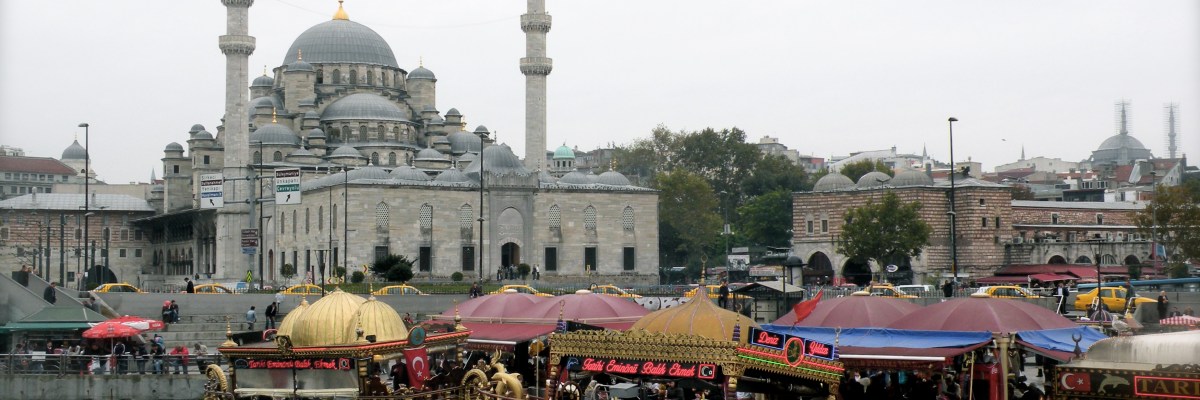
When friends ask for suggestions on places to visit, one of the cities I highly recommend is Istanbul in Turkey. I was in this awe-inspiring land a few years back and would not mind returning to. The only city in the world that straddles between Europe and Asia, Istanbul (and Turkey for that matter) is so vibrant and rich in history and culture. Turkey is a magnificent marriage of the historic and modern, western and oriental, and the common and exotic. One of the striking features of the city’s skyline is the Blue Mosque or the Sultan Ahmet Camii. Constructed between 1609 and 1617, this mosque is one…
Angkor Thom
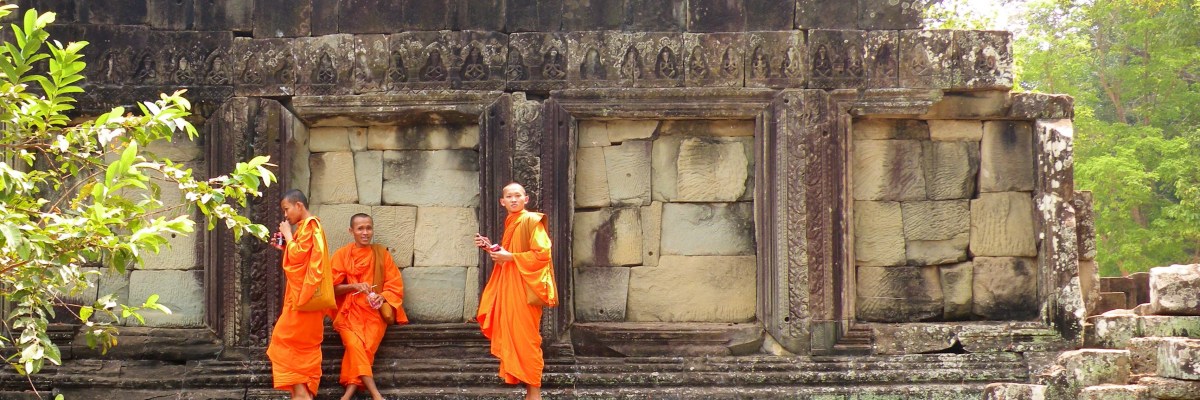
One of the world’s magnificent marvels are the ruins of the ancient city of Angkor in Cambodia. Angkor used to be the capital of the Khmer Kingdom from A.D. 802 until A.D. 1295. Meaning “The Great City” in Khmer, Angkor Thom is an impressive temple complex famed for its 148-ft central temple, Bayon and nearby Baphoun. Angkor Thom covers a vast area with over a mile on one side and filled with elaborate reliefs, statues and carvings. The Bayon is the centerpiece of the Angkor Thom complex, with its classic 216 huge stone carved smiling faces, typically set in groups of four and each…
Balboa Park
The country’s largest urban park with 1,200 acres, Balboa Park in San Diego, is home to 15 museums, performing arts venues, gardens and the world famous San Diego Zoo. Balboa Park was the location of the First World’s Fair of the 1915-1916 Panama-California Exposition (in commemoration of the opening of the Panama Canal) which created many of the stunning Spanish-Rennaissance architecture. Named for the Spanish maritime explorer Vasco Nunez de Balboa, the park was also the location of the 1935-1936 California Pacific International Exposition.
Zipaquirá
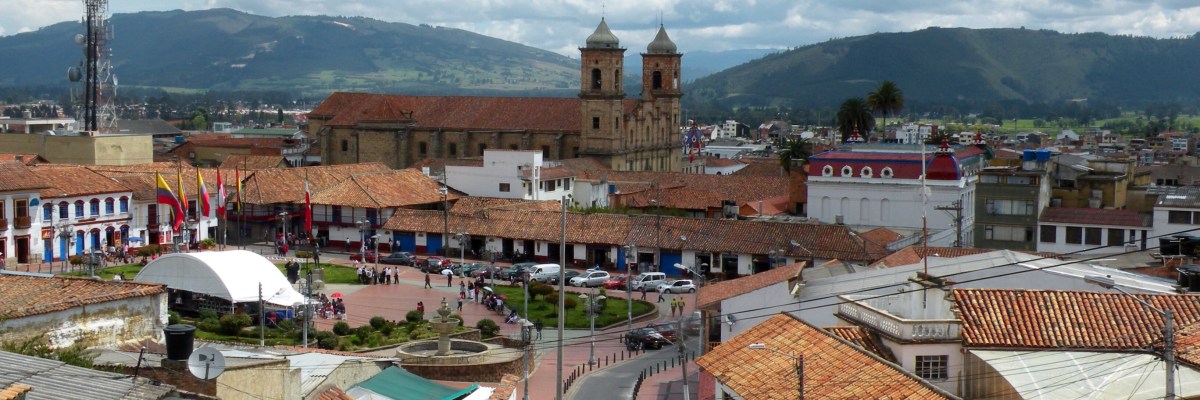
Another road trip I took is a two-hour drive, although located only 50 kms north of Bogotá, to the historic town of Zipaquirá. Zipaquirá is noted for its salt mines and produces 40% of the country’s resources. The city has a population of 100,000 and is situated at an elevation of 2,650 metres. In the mountains of Zipaquirá , there is an impressive underground Catholic cathedral carved out of salt. The 75 m long mine can accommodate 8,400 people and is situated 185 metres below ground. The surreal Salt Cathedral comes complete with the Stations of the Cross and three stunning…
Iglesias en Bogotá
Churches in Bogota : 90% of the population in Colombia are Roman Catholics. Introduced during the Spanish Conquest (first recorded arrival in 1499) and expanded throughout the Colonial Era, numerous iglesias were built by the Catholic Church across the country. The most stunning church I visited is the Iglesia Museo de Santa Clara. Do not let the simple stone exterior deceive you as the interior is richly decorated. This church is one of the city’s oldest and is now run by the government as a museum. Built between 1629 and 1674, Iglesia de Santa Clara features a barrel vault coated…
Bogotá
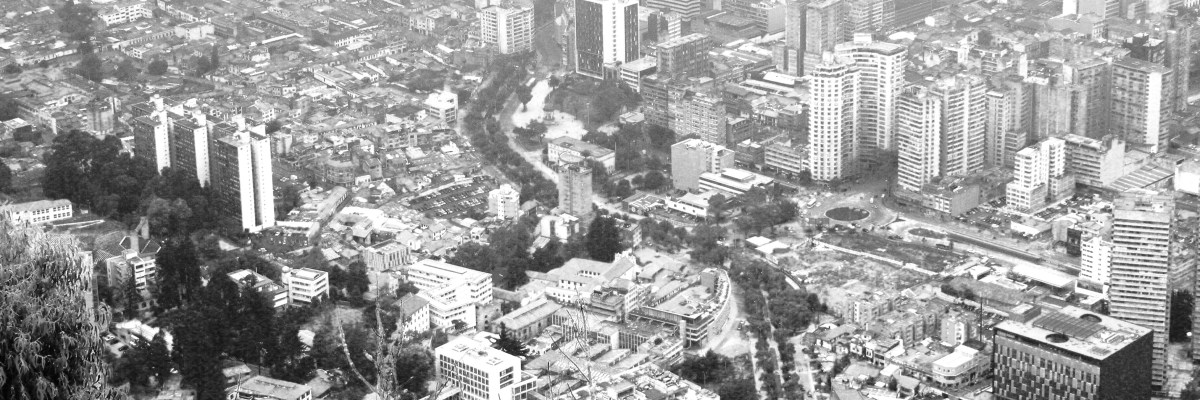
With a population of 8 million, the city of Bogotá is situated 2,600 metres above sea level and is flanked by the chilly Andean peaks to the east. This city has now emerged as the trendy capital of Colombia. Safe enough to visit, but still gritty enough to remind you that you are not home anymore. Bogotá is no longer a poster child for drug-fueled violence. Stretches of drab urban jungle in Bogotá is not conventionally pretty. But it does reward intrepid travellers of neighbourhoods to unearth artistic and cultural gems. For example, the colonial historic quarter of La Candelaria, home to gothic churches…
Boyacá
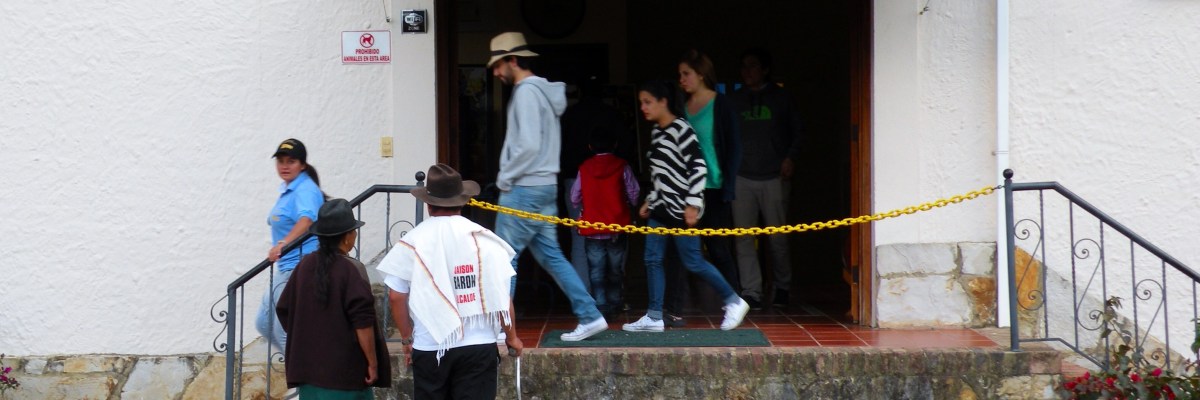
A four hour drive north of Bogotá through a highway with four tolls and lots of rough roads led me to Boyacá. Evoking a sense of patriotism among Colombians, it is in the Boyacá region that Colombian troops won their independence from Spain at the Puente de Boyacá, led by Simon Bolivar. The country side is quite verdant and interesting sights abound. It is also in Boyacá where the one-horse town of Raquirá is located — the pottery capital of Colombia. It is here where the colonial houses with handicraft stores are at its most colourful.
Villa de Leyva
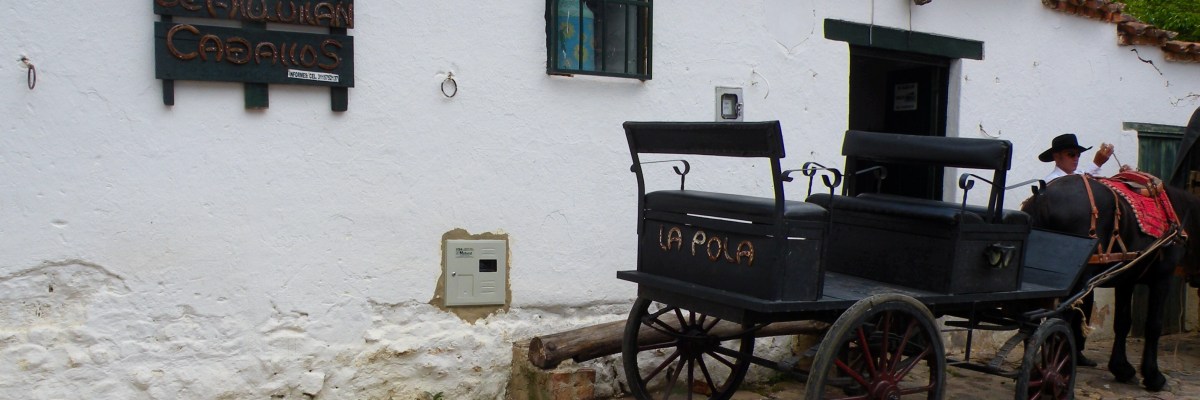
Villa de Leyva is located in the Boyacá province, a four-hour drive north of Bogotá. Founded in 1572, Villa de Leyva Is a city frozen in time and one of the most beautiful colonial villages in Colombia. Declared a national monument in 1954, this photogenic village has been preserved in its entirety with cobblestone roads and Spanish-style whitewashed buildings. Its town square, the Plaza Mayor, is one of the largest in the Americas. Founded in 1620 by the Dominican fathers, the Convento del Santo Ecce Homo is a stone and adobe construction convent close to Villa de Leyva.