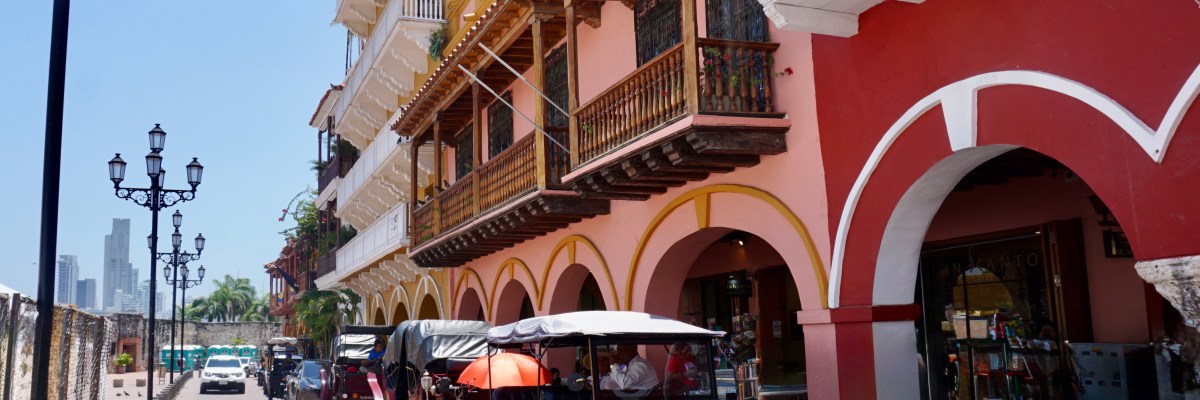
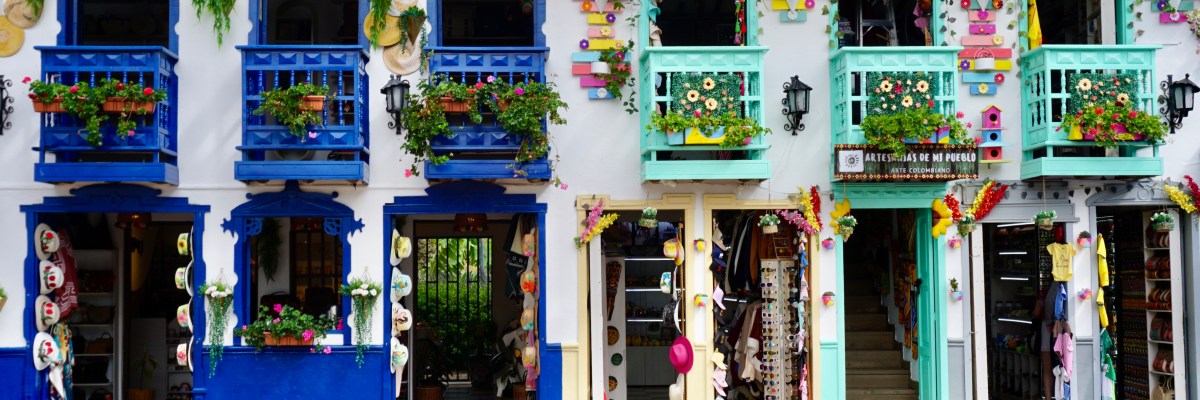
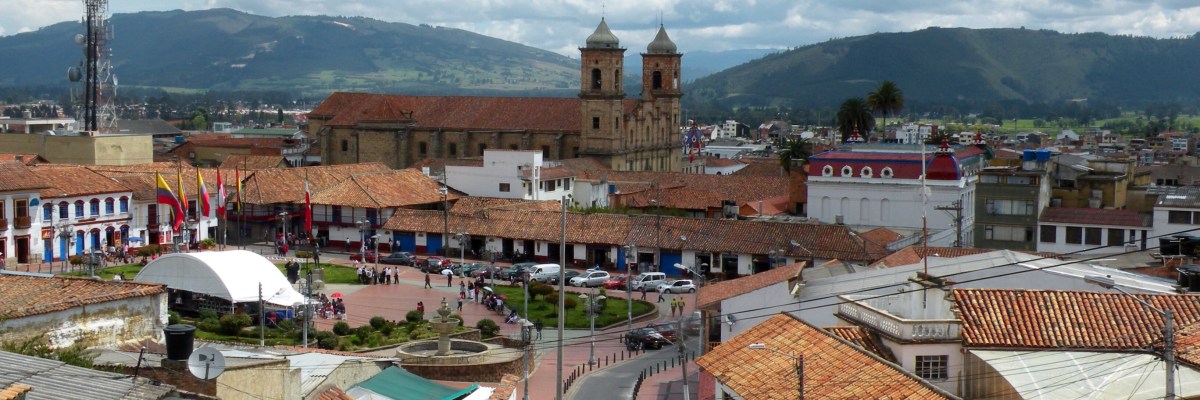
Cartagena is certainly the crown jewel of Colombia. Situated right on the sparkling Caribbean coast, this destination impresses with its 18th-century walled city, its candy-colored collection of old colonial homes and soaring clock tower, and its maze of cobblestoned streets that weave through the historically significant forts, buildings and churches.The pinnacle of the city is the UNESCO Old Town. Convent and Church of San Pedro Claver, Spanish Jesuit priest who dedicated his life to the service of slaves. He is known as the “apostle to the slaves” and was canonised a saint by the Catholic Church in 1888. The Castillo…
Tag: Colombia
Finca del Café
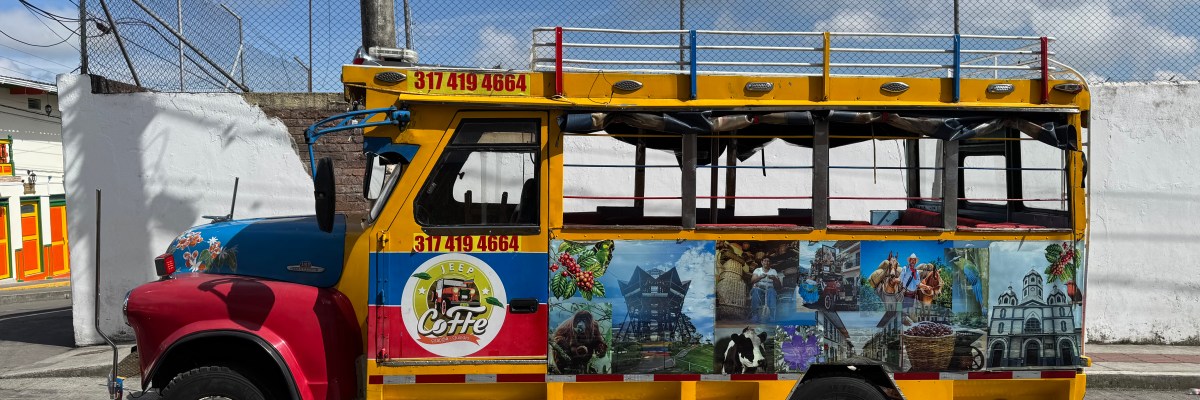
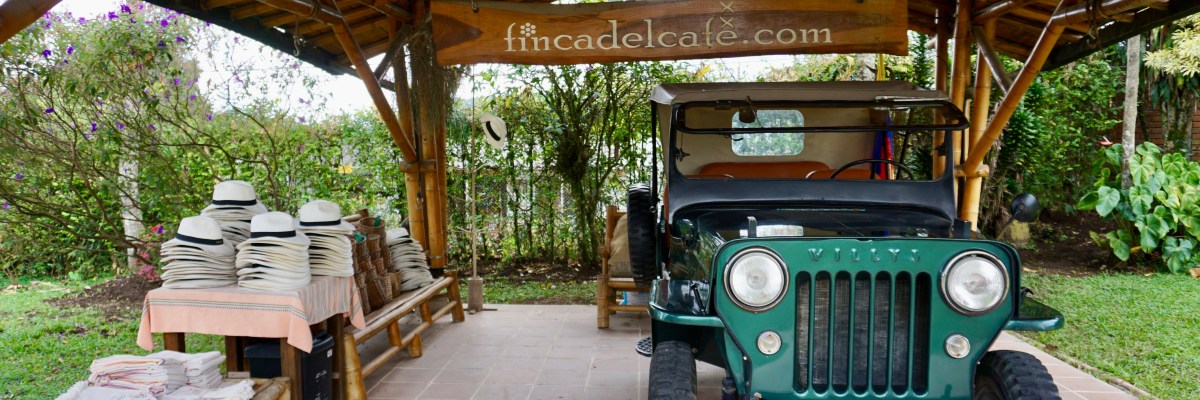
The main reason I wanted to visit Pereira, one of the coffee regions in Colombia – is to visit a coffee farm. When I first visited this country 13 years prior, I was disappointed in the quality of coffee I had. At that time, I was told, rightly or wrongly, that the best coffee is exported. And today, I have dropped by a few coffee shops and have noticed the quality and taste is much better. Visiting a specialized single-origin coffee farm and learning about planting, harvesting, pulping, and up to roasting.
Guatapé
Guatapé is a town located 79 kilometres from Medellin. The town is a major tourist attraction – especially for El Peñón de Guatapé , a rock formation that borders a lake with an exposed vertical face over 200 meters high and visible from throughout the surrounding countryside. Visitors can scale the rock via a staircase built into one side, a path that includes more than 708 steps to the top. The town is also known for its houses decorated with colorful bas-reliefs called Zócalos. Guatapé sits by the vast, man-made Peñol-Guatapé Reservoir.
Medellín
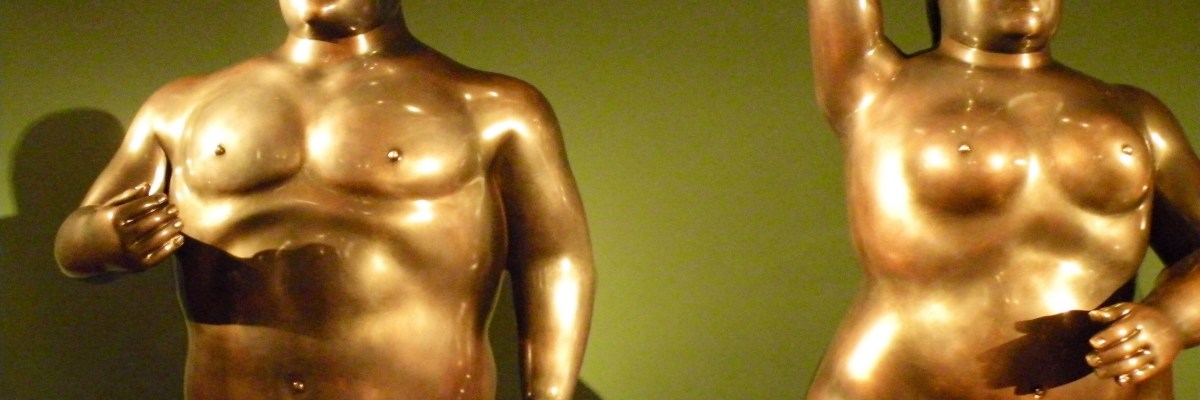
The Andean metropolis of Medellín has written a new narrative since the death of Pablo Escobar in 1993. Instead, visitors will discover a proud, progressive city that’s taken strides toward innovation with a modern metro and cable-car system that connects downtown with hillside barrios and beyond. Not to mention, the expansive collection of outdoor sculptures by Fernando Botero – with 23 at Plaza Botero and at Parque San Antonio, which included El Pajaro, which was damaged by a bomb in 1995.
Hasta Luego, Colombia!
See you later, Colombia! The land of gold and emeralds, the mythical yet inspiring quest for El Dorado, the delicious empanadas, ajiacos and lulo fruit, and more importantly, the easy-going and always cheerful people! I stayed at the Hotel Morrison 114 located at Avenida 19 No. 114 in the northern area of Bogotá. This boutique hotel opened 16 months ago and is managed by Eduardo Sanchez, a very affable gentleman who used to be based in Calgary, Canada. There is a great Spanish restaurant, Chef Julian, next door that serves excellent paella. And last but not the least, muchas gracias, Señor…
Carne des Res y Café
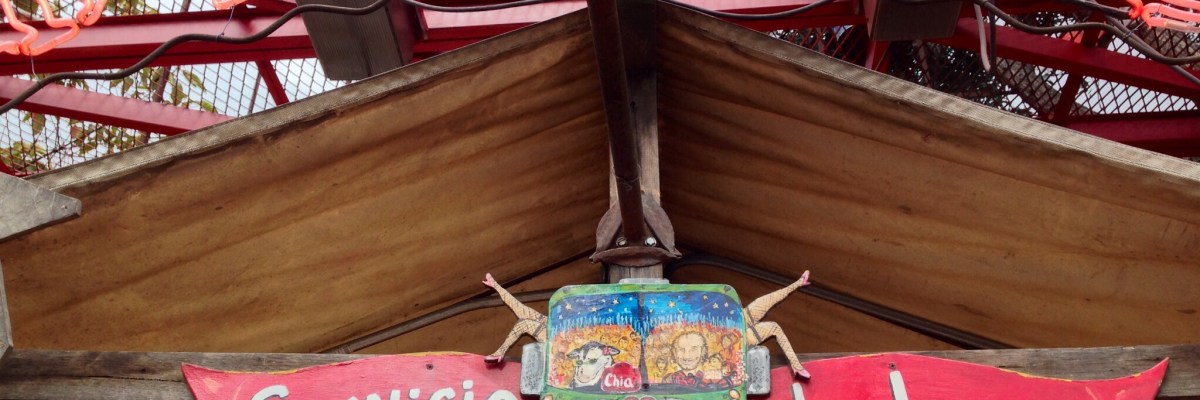
Friends back home and many of the locals I met strongly suggested I go to Andrés Carne des Res for a meal. Regarded as a Bogotá institution located 23 kms north in Chia (an outpost in town at Zona Rosa has opened), the food they serve is quite delectable and they are known for their steaks, as well as, their 62-page menu magazine! The place is indescribable — a massive complex of room after room with decor that appears to have been inspired by Tim Burton meets junk house kitsch and mixed in with flea market finds! The restaurant / bar can…
Botero + Street Art
One highlight of my trip is the visit to the Museo Botero. Colombia’s world famous artist, Fernando Botero, is well known for his figurative artworks of sculptures and paintings that depict people and figures in large and exaggerated volumes that are viewed as satire, caricature or political commentary. The widely recognized collection of gordas and gordos (or “chubby women and men”) are brilliant and at times, humorous. His monumental public sculptures adorn squares and parks in cities around the globe, including Paris, Madrid, Florence and New York. The Museo Botero in Bogotá exhibits several of his sculptures, paintings and drawings which…
Zipaquirá
Another road trip I took is a two-hour drive, although located only 50 kms north of Bogotá, to the historic town of Zipaquirá. Zipaquirá is noted for its salt mines and produces 40% of the country’s resources. The city has a population of 100,000 and is situated at an elevation of 2,650 metres. In the mountains of Zipaquirá , there is an impressive underground Catholic cathedral carved out of salt. The 75 m long mine can accommodate 8,400 people and is situated 185 metres below ground. The surreal Salt Cathedral comes complete with the Stations of the Cross and three stunning…
Iglesias en Bogotá
Churches in Bogota : 90% of the population in Colombia are Roman Catholics. Introduced during the Spanish Conquest (first recorded arrival in 1499) and expanded throughout the Colonial Era, numerous iglesias were built by the Catholic Church across the country. The most stunning church I visited is the Iglesia Museo de Santa Clara. Do not let the simple stone exterior deceive you as the interior is richly decorated. This church is one of the city’s oldest and is now run by the government as a museum. Built between 1629 and 1674, Iglesia de Santa Clara features a barrel vault coated…
Bogotá
With a population of 8 million, the city of Bogotá is situated 2,600 metres above sea level and is flanked by the chilly Andean peaks to the east. This city has now emerged as the trendy capital of Colombia. Safe enough to visit, but still gritty enough to remind you that you are not home anymore. Bogotá is no longer a poster child for drug-fueled violence. Stretches of drab urban jungle in Bogotá is not conventionally pretty. But it does reward intrepid travellers of neighbourhoods to unearth artistic and cultural gems. For example, the colonial historic quarter of La Candelaria, home to gothic churches…