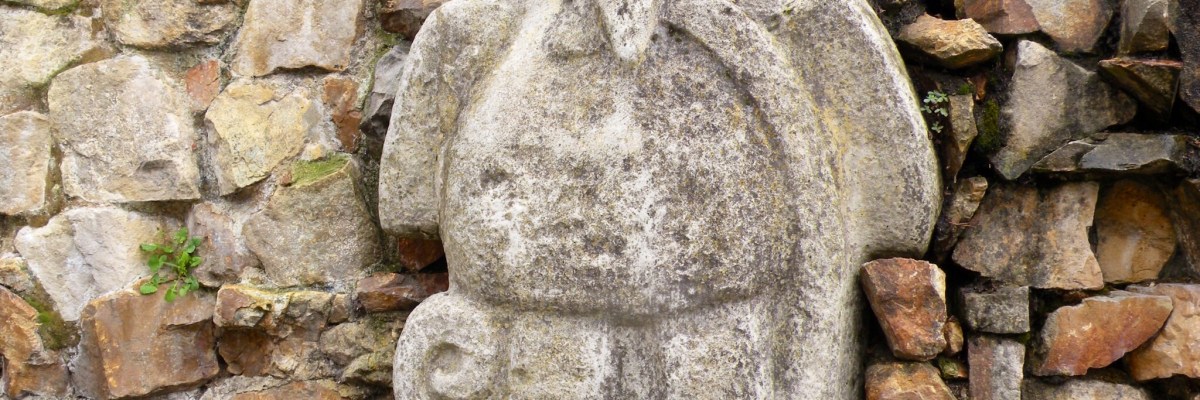
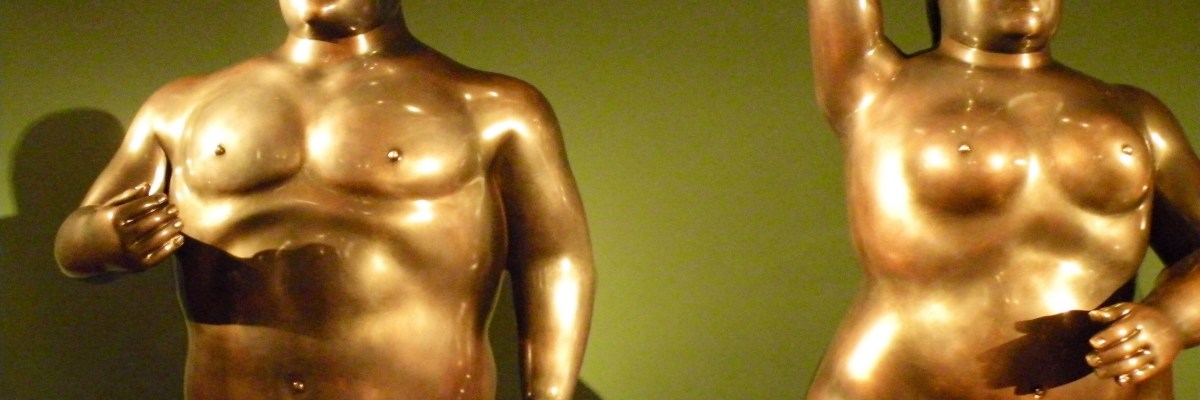
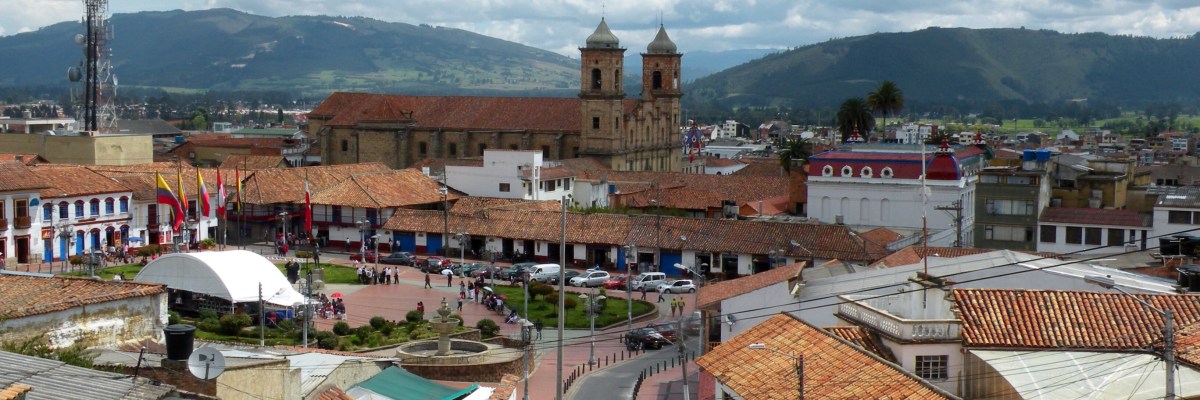
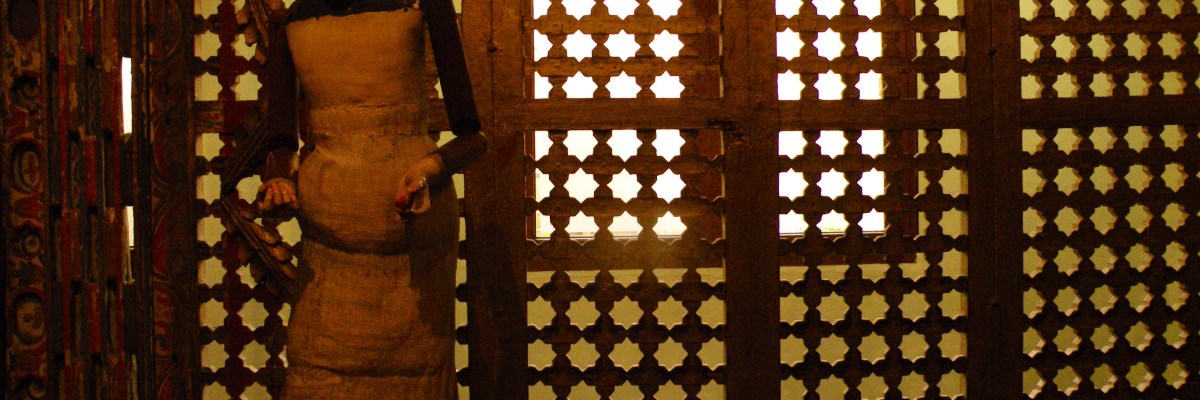
Another road trip I took is a two-hour drive, although located only 50 kms north of Bogotá, to the historic town of Zipaquirá. Zipaquirá is noted for its salt mines and produces 40% of the country’s resources. The city has a population of 100,000 and is situated at an elevation of 2,650 metres. In the mountains of Zipaquirá , there is an impressive underground Catholic cathedral carved out of salt. The 75 m long mine can accommodate 8,400 people and is situated 185 metres below ground. The surreal Salt Cathedral comes complete with the Stations of the Cross and three stunning…
Tag: Travel
Iglesias en Bogotá
Churches in Bogota : 90% of the population in Colombia are Roman Catholics. Introduced during the Spanish Conquest (first recorded arrival in 1499) and expanded throughout the Colonial Era, numerous iglesias were built by the Catholic Church across the country. The most stunning church I visited is the Iglesia Museo de Santa Clara. Do not let the simple stone exterior deceive you as the interior is richly decorated. This church is one of the city’s oldest and is now run by the government as a museum. Built between 1629 and 1674, Iglesia de Santa Clara features a barrel vault coated…
Bogotá
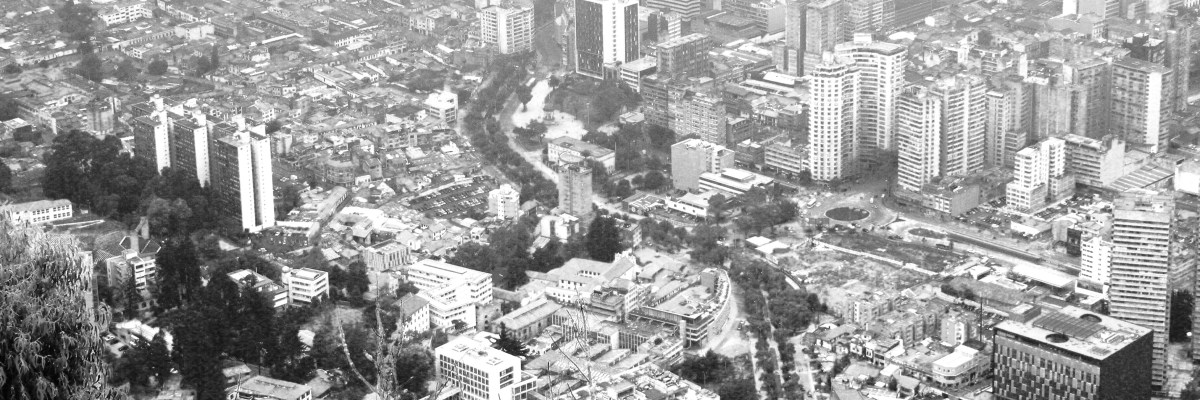
With a population of 8 million, the city of Bogotá is situated 2,600 metres above sea level and is flanked by the chilly Andean peaks to the east. This city has now emerged as the trendy capital of Colombia. Safe enough to visit, but still gritty enough to remind you that you are not home anymore. Bogotá is no longer a poster child for drug-fueled violence. Stretches of drab urban jungle in Bogotá is not conventionally pretty. But it does reward intrepid travellers of neighbourhoods to unearth artistic and cultural gems. For example, the colonial historic quarter of La Candelaria, home to gothic churches…
Boyacá
A four hour drive north of Bogotá through a highway with four tolls and lots of rough roads led me to Boyacá. Evoking a sense of patriotism among Colombians, it is in the Boyacá region that Colombian troops won their independence from Spain at the Puente de Boyacá, led by Simon Bolivar. The country side is quite verdant and interesting sights abound. It is also in Boyacá where the one-horse town of Raquirá is located — the pottery capital of Colombia. It is here where the colonial houses with handicraft stores are at its most colourful.
Villa de Leyva
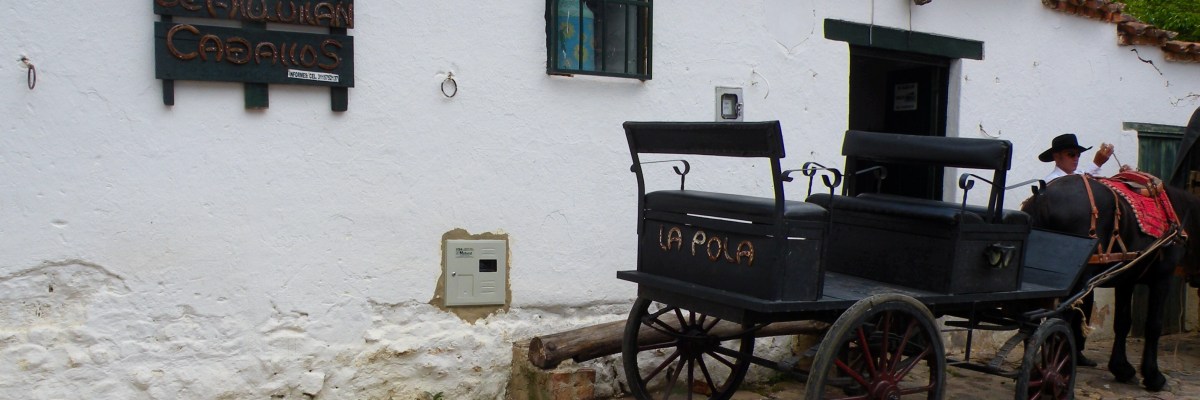
Villa de Leyva is located in the Boyacá province, a four-hour drive north of Bogotá. Founded in 1572, Villa de Leyva Is a city frozen in time and one of the most beautiful colonial villages in Colombia. Declared a national monument in 1954, this photogenic village has been preserved in its entirety with cobblestone roads and Spanish-style whitewashed buildings. Its town square, the Plaza Mayor, is one of the largest in the Americas. Founded in 1620 by the Dominican fathers, the Convento del Santo Ecce Homo is a stone and adobe construction convent close to Villa de Leyva.
Hola Colombia!
Having spent part of the winter in Asia, part of the spring in Europe, and most of the summer in North America, the fall season brings me to South America — Bogotá, Colombia to be exact. One might be skeptical about claims that this city is at par with other South American capitals. But Colombia in general is experiencing a tourist resurgence. This subtropical country has clamped down on violence and cleaned up its act. I am here to check it out!